Looking for the best natural alternatives to Tylenol during pregnancy or breastfeeding? Continue reading this article and find out.
Recent news from the US has brought to light the possible causal link between the use or overuse of Tylenol (acetaminophen) during pregnancy and infancy and the risk of developing autism. Thus, we have decided to do our own research and bring to you a list of natural alternatives to Tylenol that can be used during pregnancy or while breastfeeding. If you also want to read our research and hypothesis on the link between Tylenol and autism, please read this article here.
⚠️ Disclaimer This content is for informational purposes only and not a substitute for medical advice. Always consult your healthcare provider before using any herbal or natural remedy, especially during pregnancy or breastfeeding. Some herbs may cause adverse effects or interact with medications.

In This Article You Will Find:
7 Best Natural Alternatives to Tylenol During Pregnancy or Breastfeeding
1. Willow Bark Decoction
(Salix alba L.)
The bark of the willow tree contains flavonoids, saligenol heterosides, tannins, resins, and phenolic glycosides that help reduce inflammation in the body. Willow bark decoction is especially recommended for feverish conditions, colds, nasal congestion, respiratory problems, and sore throat, making it one of the top natural alternatives to Tylenol.
“Willow bark is recommended as a febrifuge (fever reducer).” — Samuel Frederik Gray, A Supplement to the Pharmacopoeia, 1828.
- Preparation: Boil one teaspoon of the plant in 300 ml of water for 10 minutes over low heat, then strain. To reduce respiratory discomfort, it can be consumed for 5–7 days – 1–2 cups of tea per day (children aged 3–14) and 3–4 cups of tea per day (children over 14 and adults).
For improving muscle and joint health, as well as in rheumatic conditions, the treatment can be continued for up to two months, followed by a one-month break, after which it may be resumed.
⚠️ Note: Consult your healthcare advisor regarding the use of herbs during pregnancy with infants or with prescription drugs. Discontinue use if unusual symptoms occur.

2. Ginger
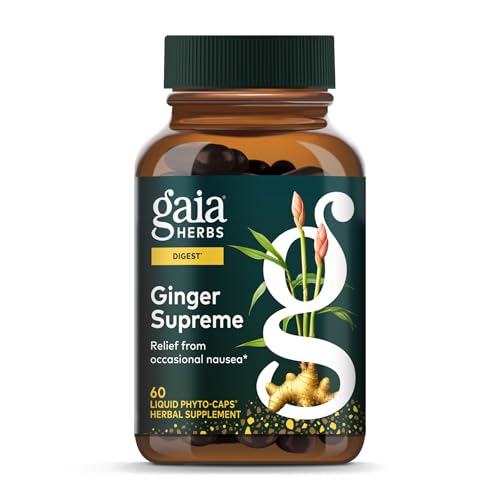
Ginger is excellent for relieving pain and inflammation, as it contains potent anti-inflammatory compounds called gingerols, making it a natural pain reliever, beneficial for those suffering from joint, muscle, or nerve pain.
Ginger root contains essential oil with over 100 identified compounds, primarily terpenoids. Among these are gingerols, shogaols, gingerdione, paradol, vallinoids, galanals A and B, and zingerone.
Although ginger is best known as a remedy for digestive issues, nausea, food poisoning, and motion sickness, it also has antiviral, antitussive (cough-relieving), antioxidant, purifying, detoxifying, immune-modulating, and fever-reducing properties, making it one of the best natural alternatives to Tylenol.
- Preparation and Use: It can be consumed as tea made from fresh or dried ginger root, or in supplement form, though fresh ginger is considered the most potent. During pregnancy or breastfeeding, do not exceed 1–2 grams of fresh ginger per day or one cup of tea daily. To boost its healing properties, it can be taken with lemon juice and raw honey.
3. Turmeric
(Curcuma longa L.)
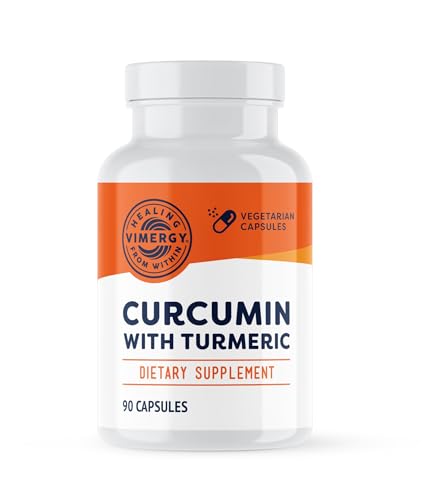
Turmeric, rich in curcumin, can serve as a natural alternative to Tylenol in children due to its anti-inflammatory and antioxidant properties. While it does not work as rapidly or directly as acetaminophen for reducing fever or acute pain, it can help modulate inflammation and soothe mild discomfort, making it useful for conditions like minor colds, sore throats, or general inflammatory responses. This is why turmeric is one of the best natural alternatives to Tylenol.
Used in food or mild teas, it is generally safe during pregnancy or while breastfeeding and provides gentle, long-term support for immune health, making it a practical natural option when high-dose medications aren’t needed. Turmeric tea is a great and safe option for pregnant women.
4. Elderflower Tea
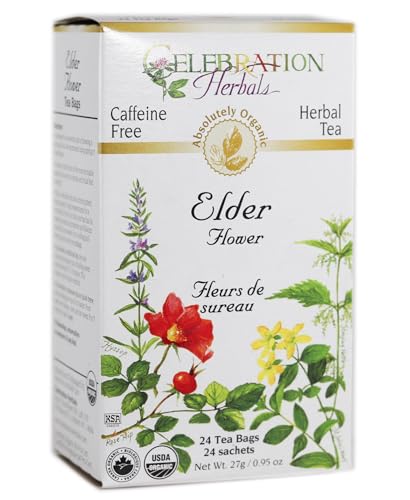
Elderflower supports respiratory health, helps soothe common colds, and contributes to detoxifying the body through its diaphoretic (sweat-inducing) effect. This is because elderflowers contain flavonoids, glycosides, polyphenols, tannins, saponins, and vitamin C. Elderflower tea can be consumed during pregnancy and breastfeeding, and is also suitable for children, making it one of the top natural alternatives to Tylenol.
“An infusion of elderflowers was considered very useful at the onset of pulmonary catarrh, colds, sore throats, […]. Externally, the flowers were used […] to absorb inflammatory and edematous manifestations.” — B. Barton, Th. Castle, The British Flora Medica, 1837.
- Preparation: Pour 200 ml of boiling water over one teaspoon of the plant, cover, and let it steep for 10–15 minutes, then strain. Drink 2–3 cups per day until symptoms improve. At the recommended doses, no drug interactions or side effects have been reported.
5. Lemon Balm Tea
The polyphenol tannins contained in lemon balm give it its anti-viral properties, making it particularly helpful in healing colds, flu, bronchitis, and any viral infections. Lemon balm has a calming effect on the throat, pharynx and vocal folds. It is also effective against tension headaches and hypertension. Drinking lemon balm tea at night before sleep is an excellent remedy for insomnia or sleep problems. It is also an amazing digestive tea.
- Preparation: To make this tea, steep 2 teaspoons of fresh or dried lemon balm in 16oz of hot water for at least 10 minutes. Strain and drink hot with raw honey or plain. This simple natural alternative to Tylenol can safely be used by during pregnancy or while breastfeeding.

6. Echinacea
(Echinaceea purpurea)
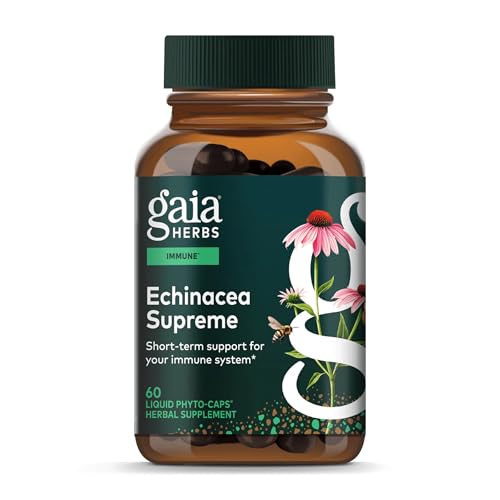
Echinacea is most often used to treat or prevent colds, flu, and infections, and for wound healing. Many studies have looked at how well it works to prevent or shorten a cold. Some studies do show some benefit of echinacea to help with upper respiratory infections. Echinacea is safe for immune support during pregnancy, but not a direct substitute for Tylenol for fever or pain. Echinacea can be used as a tea or glycerin extraction.
⚠️ Note: Women allergic to plants in the daisy family may have an allergic reaction to echinacea (daisy family includes ragweed, chrysanthemums, marigolds, and daisies).
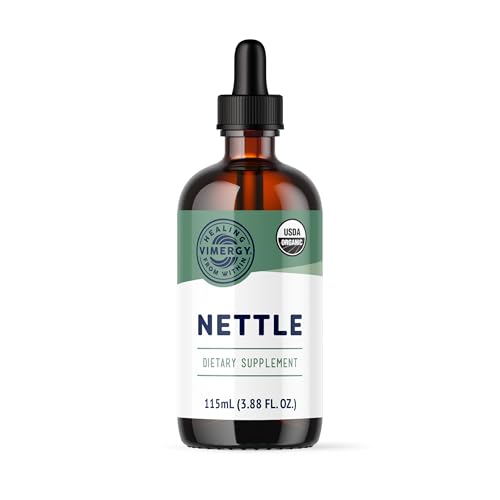
7. Nettle Tea
(Mentha piperita)
Nettle leaf has anti-inflammatory effects due to the caffeoylmalic acids in its composition, making it especially useful for allergies by detoxifying the body. Moreover, nettle helps maintain the flexibility of joints, muscles, and tendons, alleviating joint pain. In addition, nettle contains minerals (iron) and helps reduce anemia. Thus, nettle improves overall vitality and can also be used as a natural alternative to Tylenol during pregnancy or breastfeeding, especially in the form of tea.
- Preparation: Steep 1 tea bag in 200 ml of boiling water for 10–15 minutes covered. Nettle can also be also used as a glycerin extract.
Foods that Lower Fever and Reduce Inflammation
- Citrus fruits (oranges, lemons, grapefruit, limes) → high in vitamin C, support the immune system.
- Berries (blueberries, strawberries, blackberries) → rich in polyphenols, strong antioxidants.
- Watermelon → hydrating and cooling, helps with fever-related dehydration.
- Pineapple → contains bromelain, an enzyme with anti-inflammatory effects.
- Apples & pears → soothing, light on digestion, contain flavonoids.
- Leafy greens (spinach, kale, broccoli) → rich in vitamins and polyphenols.
- Cruciferous veggies (cauliflower, Brussels sprouts, cabbage) → contain sulforaphane, an anti-inflammatory.
- Beets → contain betalains with anti-inflammatory activity.
- Onion & garlic → contain quercetin and allicin; antimicrobial and anti-inflammatory.
- Turmeric (curcumin) → powerful natural anti-inflammatory.
- Ginger → reduces inflammation, helps with fever and nausea.
- Cloves → contain eugenol, a natural anti-inflammatory.
- Cinnamon → mild antimicrobial and anti-inflammatory.
- Peppermint → cooling, can help reduce fever discomfort.
- Chamomile → traditional fever reducer (antipyretic).
- Walnuts & almonds → contain omega-3s and polyphenols.
- Flaxseeds & chia seeds → anti-inflammatory omega-3 fatty acids.
- Sea vegetables (nori, wakame, kelp) → contain omega-3s, are anti-inflammatory, immune-supportive, and mineral-rich.
- Coconut water → helps rehydrate during fever.
- Raw honey → soothing, antimicrobial, helps reduce throat inflammation.
Read Also: 7 Best Natural Alternatives to Tylenol for Children
Looking for safe, natural alternatives to Tylenol during pregnancy or breastfeeding? Herbs like ginger, elderflower, and echinacea offer gentle, effective support for pain relief, inflammation, and immune health. Remember to always consult your healthcare provider before introducing any herbal remedies, especially while pregnant or nursing. Stay healthy, naturally!
Share on Pinterest ❤️