Looking for the most effective natural alternatives to Tylenol for children? Discover what medicinal herbs can replace acetaminophen-based drugs.
More and more children are diagnosed with autism, predominantly in countries where they have access to allopathic medicine, vaccines, and healthcare, contrary to what ought to be expected. This alone can draw a causal link between autism and a medical drug or allopathic treatment that is widely used either during pregancy or infancy. In the US alone, the autism diagnoses have skyrocketed from 1 in 150 children in 2000 to 1 in 31 today (3.2% of U.S. 8-year-olds).
Recent news from the US has brought to light the possible causal link between the use or overuse of Tylenol (acetaminophen) during pregnancy and infancy and the risk of developing autism. And this hypothesis is worth exploring.

In This Article You Will Find:
The Link Between Tylenol and Autism
Immunologist William Parker, Ph.D., has spent years arguing that acetaminophen given in infancy and early childhood – not just in utero – is a major trigger for autism in susceptible children, a stance long dismissed by mainstream medicine as fringe. However, the compounding evidence shows otherwise.
- In one 2008 study, children given acetaminophen after the MMR vaccine had a dramatically higher rate of regressive autism than those given ibuprofen.
- A 2013 animal study showed that newborn mice given two doses of acetaminophen had permanent cognitive impairments. This study was followed by 15 animal studies that all showed evidence of harm.
- The American College of Obstetricians and Gynecologists published a consensus statement in 2021 that a growing body of research shows that prenatal exposure to paracetamol, or acetaminophen, may alter fetal development and increase the risks of neurodevelopmental, reproductive, and urogenital disorders.
- A 2024 Swedish study “debunking” the link between Tylenol use and autism has been debunked by Dr. Parker’s team. The observed autism risk from prenatal acetaminophen use was flawed in the sense that their analysis data inadvertently demonstrated that acetaminophen only causes autism when combined with certain risk factors, which is exactly what Parker’s multifactorial model predicts. Hence, the study doesn’t disprove the Tylenol and autism risk.
All these studies show that there is a link (although maybe not causal) between the use of acetaminophen during pregnancy and/or infancy and autism. To what degree, medical science has yet to reveal. But until then, we cannot remain on the side and wait for a good 20 years until it happens. Hence, we want to further look at any potential cause of autism and understand why acetaminophen/Tylenol can potentiate this rising condition among children.
The Real Cause of Autism – Our Hypothesis
These studies show a potential causal link between the use of acetaminophen drugs and autism, but this doesn’t automatically mean Tylenol is the cause of autism; but can definitely be a trigger. The real cause of autism is the deposits of toxic heavy metals between the two brain hemispheres, according to medical intuitive and best-selling medical author Medical Medium.
He explains that mercury and aluminum, especially settling mainly in the cerebral midline canal, cause electric imbalances in the brain, as metals are electrically conductive. These toxic metals short-circuit the electrical impulses between neurons and affect how an individual speaks, moves, and expresses oneself. These toxic metals can settle in any part of the brain, not just the midline canal, and have a different combination, which explains why autism is a spectrum and children affected by autism can act and behave so differently.
While not a direct cause per se, Tylenol can add to the problem as it also contains toxic heavy metals, namely FD&C red no. 40 aluminum lake, FD&C yellow no. 6 aluminum lake, and probably others undisclosed on the leaflet. In combination with other medical interventions during the pediatric wellness checks, this popular drug may be a recipe for disaster.
In the Schultz study from 2008, a dentist-turned-PhD parent-led survey suggested a possible link between acetaminophen use after MMR vaccination and higher rates of regressive autism, whereas ibuprofen or no analgesic showed no increased risk, which backs our hypothesis.
Hence, we have decided to research the most effective natural alternatives to Tylenol and other OTCs for lowering fever, cold and flu, and inflammation of the upper respiratory tract that are safe for children of all ages. These natural alternatives based on plants are also safe to use during pregancy or breastfeeding. Before we get to them, here is a comprehensive list of drugs containing acetaminophen, so you know what to watch out for.

Comprehensive List of Drugs Containing Acetaminophen
OTC Drugs Containing Acetaminophen
- Tylenol: The most well-known brand for acetaminophen.
- Excedrin: Often used for headaches, it combines acetaminophen with aspirin and caffeine.
- NyQuil: A cold and flu medication that includes acetaminophen for pain relief.
- DayQuil: Similar to NyQuil but formulated for daytime use.
- Advil Dual Action: Combines ibuprofen and acetaminophen for enhanced pain relief.
- Alka-Seltzer Plus: Some formulations include acetaminophen for cold and flu relief.
- Midol: Often used for menstrual pain, some versions contain acetaminophen.
- Aspirin-Free Excedrin: Contains acetaminophen, caffeine, and other ingredients for headache relief.
- Bayer Back & Body: Combines acetaminophen with aspirin for back pain relief.
- Aleve-D: Some formulations may include acetaminophen for added pain relief.
- Tylenol Extra Strength: A higher dose formulation of acetaminophen for more severe pain.
- Advil PM: Some formulations may include acetaminophen along with diphenhydramine.
Cold and Allergy Medications Containing Acetaminophen
- Zyrtec-D: Some formulations may include acetaminophen for allergy relief.
- Sudafed PE: Certain combinations may contain acetaminophen for cold symptoms.
- Robitussin Cough + Chest Congestion DM: Some versions include acetaminophen for pain relief.
- Vicks DayQuil: A daytime cold and flu relief option that contains acetaminophen.
- Benadryl Allergy Plus Congestion: Certain formulations may contain acetaminophen for added relief.
- Claritin-D: Some versions may include acetaminophen for allergy relief.
RX Drugs Containing Acetaminophen
- Percocet: A combination of oxycodone and acetaminophen used for pain relief.
- Tylenol with Codeine: Combines acetaminophen with codeine for more severe pain.
- Fioricet: Contains acetaminophen, butalbital, and caffeine, often prescribed for migraines.
- Vicodin: A combination of hydrocodone and acetaminophen, used for moderate to severe pain.
- Lortab: Another combination of hydrocodone and acetaminophen.
- Norco: Similar to Vicodin, it combines hydrocodone with acetaminophen.
- Roxicet: A combination of oxycodone and acetaminophen, used for pain management.
- Cocet: Combines acetaminophen with oxycodone for pain relief.
- Fentanyl Combination Products: Some formulations may combine fentanyl with acetaminophen for pain management.
- Lorcet: A combination of hydrocodone and acetaminophen.
- Percodan: Combines oxycodone with acetaminophen for pain management.
- Tylenol with Tramadol: A combination of acetaminophen and tramadol for moderate to severe pain.
Combination Products Containing Acetaminophen
- Cold and Flu Formulations: Many products for cold and flu symptoms contain acetaminophen, such as Theraflu and Robitussin.
- Pain Relievers: Some multi-symptom pain relievers may include acetaminophen along with other active ingredients.
- Robitussin Multi-Symptom: Contains acetaminophen along with other ingredients for cough and cold relief.
- Theraflu: Various formulations include acetaminophen for symptom relief.
- Excedrin Tension Headache: Specifically formulated for tension headaches, containing acetaminophen.
- Mucinex: Some formulations include acetaminophen for cold and flu symptom relief.
- Coricidin HBP: Certain versions contain acetaminophen for cold symptoms, designed for those with high blood pressure.
- Sominex: Some formulations may include acetaminophen for sleep aid with pain relief.
Pediatric Drugs Containing Acetaminophen
- Children’s Tylenol: Liquid formulations specifically designed for children.
- Infants’ Tylenol: Liquid acetaminophen specifically designed for infants.
- Children’s Motrin: Some formulations may include acetaminophen alongside ibuprofen.
- Children’s Advil: Some formulations may include acetaminophen alongside ibuprofen.
- Pediatric Fever Reducers: Various brands offer liquid acetaminophen specifically for children.
Without further ado, below are the best natural alternatives to Tylenol and acetaminophen.
7 Best Natural Alternatives to Tylenol for Children
1. Elderflower Tea
(Sambucus nigra)
Elderflower has antiviral properties and supports respiratory health, helping to soothe common colds, and is also beneficial for bronchitis, sinusitis, laryngitis, tonsillitis, asthma, chronic cough, sore throat, and flu. Elderflower tea contributes to body purification through its diaphoretic (sweat-inducing) effect, as the flowers contain flavonoids, glycosides, polyphenols, tannins, saponins, and vitamin C. Elderflower tea can be consumed during pregnancy and breastfeeding, as well as by young children or infants, making it one of the best natural alternatives to Tylenol and Ibuprofen for infants.
- Preparation: Pour 200 ml of boiling water over one teaspoon of the plant, cover, and let steep for 10–15 minutes, then strain. Drink 2–3 cups of tea per day until symptoms improve. At the recommended doses, no drug interactions or side effects have been reported.
No products found.
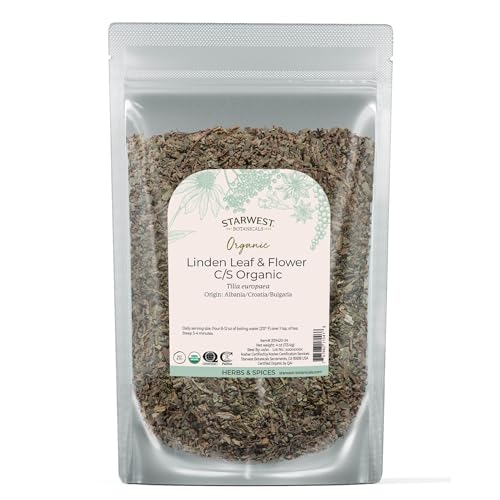
2. Linden Flower Tea
(Tilia spp.)
Linden flowers have a relaxing effect, reduce fever, high blood pressure, and headaches, ease expectoration, and help improve sleep. They contain mucilages, flavonoids, phenolic acids, hydroxycoumarins, and essential oils (farnesol), which facilitate expectoration, soothe an irritated throat and hoarseness, support the immune system, and have a relaxing effect. Linden flower tea can be given to young children and infants, as well as during pregnancy or breastfeeding.
- Preparation: Add 1–2 tea bags to 200 ml of boiling water, boil for 2–3 minutes, and let it steep for 10–15 minutes covered. Drink 2–3 cups per day, for 2–4 weeks, or as needed.
3. Chamomile
(Matricaria chamomilla)
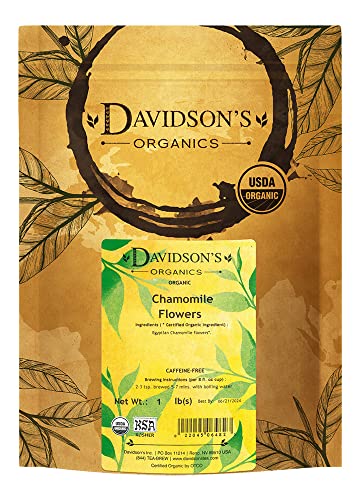
Chamomile offers moderate anti-inflammatory evidence through apigenin-mediated COX-2 inhibition. Meta-analyses show statistically significant reductions in inflammatory markers, while pediatric studies demonstrate benefits for functional abdominal pain and infant colic. Even more, chamomile tea is not just an excellent remedy for infant colics, but also for pain associated with it, and can soothe children who are irritable, cranky, and restless.
Chamomile tea is also known to help relieve bronchial and sinus congestion, decrease menstrual cramping, ease muscle spasms, and reduce migraine pain. It can be used synergistically in combination with peppermint tea.
Beware! Chamomile should be avoided by pregnant women as it may act as a uterine stimulant and by those who have severe allergic reactions to ragweed pollen.
- Preparation: To make this tea, steep 2 teaspoons of fresh or dried chamomile in 16oz (2 cups) of hot water for at least 10 minutes. To make it more palatable to children, add a bit of raw honey to taste.
4. Lemon Balm Tea
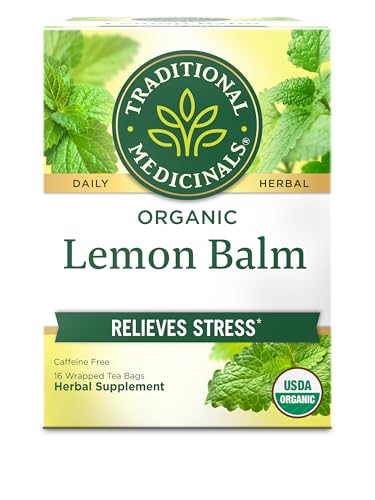
The polyphenol tannins contained in lemon balm give it its anti-viral properties, making it particularly helpful in healing colds, flu, bronchitis, and any viral infections. It has a calming effect on the throat and vocal folds. It is also effective against tension headaches and hypertension, and is an amazing digestive tea. Drinking lemon balm tea at night before sleep is an excellent remedy for insomnia or sleep problems. This simple natural alternative to Tylenol can safely be used by children and pregancy women alike.
- Preparation: Steep 2 teaspoons of fresh or dried lemon balm in 16oz of hot water for at least 10 minutes. Strain and drink hot with raw honey or plain. Lemon balm glycerin extract can also be used for children.
5. Turmeric
(Curcuma longa L.)
Turmeric, rich in curcumin, can serve as a natural alternative to Tylenol in children due to its anti-inflammatory and antioxidant properties. While it does not work as rapidly or directly as acetaminophen for reducing fever or acute pain, it can help modulate inflammation and soothe mild discomfort, making it useful for conditions like minor colds, sore throats, or general inflammatory responses. Used in food or mild teas, it is generally safe for children and provides gentle, long-term support for immune health, making it a practical natural option when high-dose medications aren’t needed. Turmeric tea is a great and safe option for children.
Care should be taken to avoid high-dose supplements, which are not well-studied in pediatric populations. Overall, turmeric offers a safe, mild, and natural method to help manage discomfort while supporting overall wellness in children.

6. Nettle Tea
(Mentha piperita)
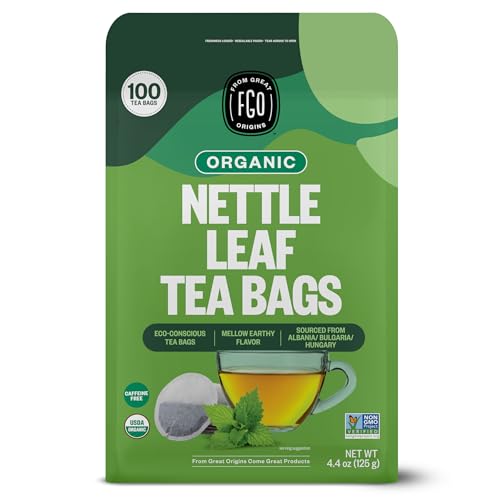
Nettle leaf has anti-inflammatory effects due to the caffeoylmalic acids in its composition, making it especially useful for allergies by detoxifying the body. Moreover, nettle helps maintain the flexibility of joints, muscles, and tendons, alleviating joint pain. In addition, nettle contains minerals (iron) and helps reduce anemia. Thus, nettle improves overall vitality and can also be used by children, especially in the form of tea.
- Preparation: Steep 1 tea bag in 200 ml of boiling water for 10–15 minutes covered. Nettle can also be also used as a glycerin extract formulated for children.
7. Echinacea
(Echinaceea purpurea)
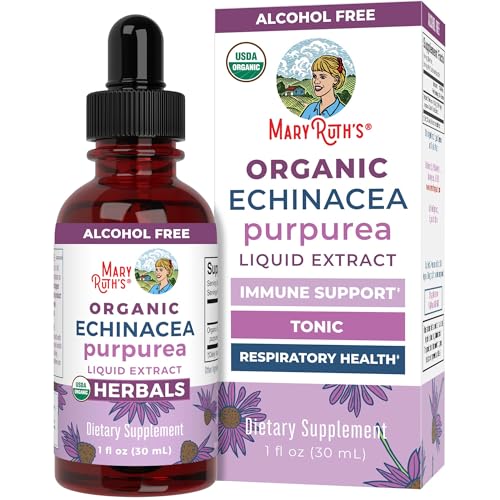
Echinacea is most often used to treat or prevent colds, flu, and infections, and for wound healing. Many studies have looked at how well it works to prevent or shorten a cold. Some studies do show some benefit of echinacea to help with upper respiratory infections. Echinacea is safe for short-term immune support in children >2 years, but not a direct substitute for Tylenol for fever or pain. Echinacea can be used as a tea or glycerin extraction that is kid-friendly, as the one here.
Beware! Children allergic to plants in the daisy family may have an allergic reaction to echinacea (daisy family includes ragweed, chrysanthemums, marigolds, and daisies).
Foods that Can Help Lower Fever and Reduce Inflammation
- Citrus fruits (oranges, lemons, grapefruit, limes) → high in vitamin C, support the immune system.
- Berries (blueberries, strawberries, blackberries) → rich in polyphenols, strong antioxidants.
- Watermelon → hydrating and cooling, helps with fever-related dehydration.
- Pineapple → contains bromelain, an enzyme with anti-inflammatory effects.
- Apples & pears → soothing, light on digestion, contain flavonoids.
- Leafy greens (spinach, kale, broccoli) → rich in vitamins and polyphenols.
- Cruciferous veggies (cauliflower, Brussels sprouts, cabbage) → contain sulforaphane, an anti-inflammatory.
- Beets → contain betalains with anti-inflammatory activity.
- Onion & garlic → contain quercetin and allicin; antimicrobial and anti-inflammatory.
- Turmeric (curcumin) → powerful natural anti-inflammatory.
- Ginger → reduces inflammation, helps with fever and nausea.
- Cloves → contain eugenol, a natural anti-inflammatory.
- Cinnamon → mild antimicrobial and anti-inflammatory.
- Peppermint → cooling, can help reduce fever discomfort.
- Chamomile → traditional fever reducer (antipyretic).
- Walnuts & almonds → contain omega-3s and polyphenols.
- Flaxseeds & chia seeds → anti-inflammatory omega-3 fatty acids.
- Sea vegetables (nori, wakame, kelp) → contain omega-3s, are anti-inflammatory, immune-supportive, and mineral-rich.
- Coconut water → helps rehydrate during fever.
- Raw honey → soothing, antimicrobial, helps reduce throat inflammation.
Read Also: Natural Treatment for ADHD in Kids
We’re going through an autism epidemic, and there’s no way of denying it. While children are suffering, medical science should focus on finding the cause by all means instead of working to dismiss each plausible hypothesis. This is counterintuitive and shows once again that the pharmaceutical interests are above the Hippocratic oath. We hope that these natural alternatives to Tylenol for children can help make a difference in your child’s life. Nature always knows best. Stay healthy, naturally!
Share on Pinterest ❤️