These herbal gargles are perfect for soothing mouth irritation, sore throats, and more. You can also use them as a herbal rinse for daily oral care.
If you have dental issues and oral conditions affecting the mouth and throat (such as the mouth lining, gums, tongue, tonsils, and pharynx), remedies like herbal gargles, rinses, and oral gels are highly recommended. These are easy to prepare using plants, plant extracts, and honey. Depending on the part of the plant being used, you can prepare the herbal gargles as infusion or decoction, following one of the two recipes below. Let’s get to the most effective herbal gargles for mouth and throat irritations that you can make at home.

In This Article You Will Find:
How to Make Herbal Gargles
The most effective gargles for mouth irritations and throat conditions are made from herbal teas (infusions or decoctions) or diluted solutions with herbal tinctures. We recommend comfrey root, walnut leaves, calendula, yarrow, chamomile, ivy, sage, and lady’s mantle for gargling, as they have powerful antiseptic, antimicrobial, and cleansing properties for the mouth and throat. Depending on the plant and part of the plant used, you can prepare the gargles either as an infusion or a decoction, as you will see.
How to Make Herbal Decoction for Gargles
Decoctions are made using aerial parts of plants or roots. Use this recipe to make common ivy leaves and comfrey root gargles.
Ingredients
- 4 tablespoons of dried, coarsely chopped plant
- 500 ml of water (2 cups)
Instructions
- Combine the plant material and water in a stainless steel or enamel pot.
- Simmer on low heat for 30 minutes.
- After boiling, add enough water to replace the evaporated amount.
- While still hot, strain the liquid through gauze or medical cotton.
Herbal Infusion for Gargles
Infusions are made using leaves and flowers. Use this recipe to prepare the walnut leaf, calendula, yarrow, chamomile, sage, and lady’s mantle gargles.
Ingredients
- 2 tablespoons of dried, coarsely chopped plant
- 250 ml of boiling water (1 cup)
Instructions
- Pour the boiling water over the plant.
- Bring the mixture to a quick boil, then remove from the heat and steep for 30 minutes.
- Strain through cheesecloth or fine strainer.
8 Effective Herbal Gargles for Mouth Irritations
These herbal gargles are natural remedies designed to relieve oral and throat issues while promoting overall oral health.
- Yarrow (Achillea millefolium) – this herbal gargle is highly effective for conditions like canker sores, gingivitis, stomatitis, gum bleeding, dental abscesses, tonsillitis, pharyngitis, and laryngitis and is recommended after every meal.
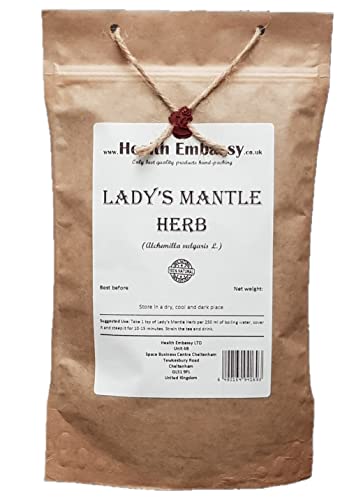
- Lady’s Mantle (Alchemilla vulgaris) – this herbal gargle is used three times daily and is especially recommended for aphthous stomatitis and bleeding gum ulcers; you can prepare it as an infusion or diluted lady’s mantle tincture in a cup of warm water and use for gargle.
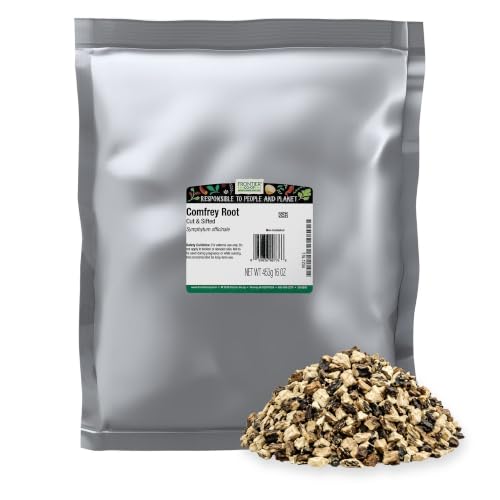
- Comfrey Root (Symphytum officinale) – is used for gargling three times daily; prepare as decoction.
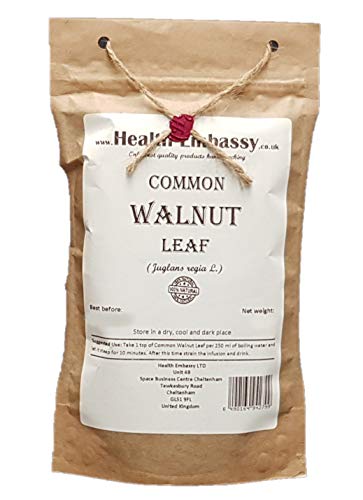
- Walnut Leaf (Juglans regia) is recommended for gargling after each meal, prepared as an infusion.
- Calendula Flowers (Calendula officinalis) – is suitable for gargling after every meal, and is prepared as an infusion or by diluting one teaspoon of calendula tincture in a cup of warm water.
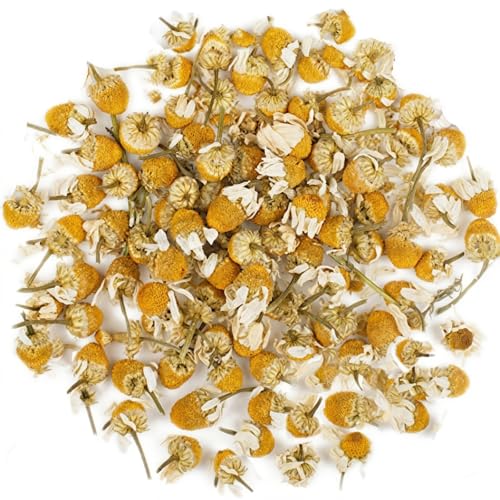
- Chamomile Flowers (Matricaria chamomilla) – this herbal gargle should be used three times daily after meals.
- Common Ivy Leaf (Hedera helix) – is used for gargling three times daily (prepared as a decoction); helps with gingivitis, stomatitis, and mouth ulcers caused by dentures.
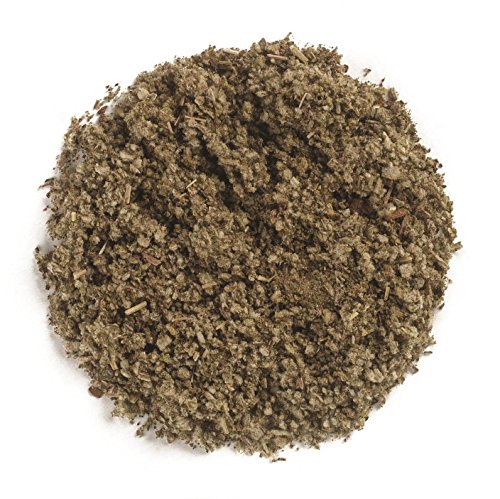
- Sage (Salvia officinalis) – is another excellent option for post-meal gargling, made as an infusion from the leaves.

Other Herbal Remedies for Mouth and Throat Irritations
After using a herbal gargle, you can follow up with a mouth rinse (mouthwash) made from the abovementioned plants that have antiseptic, deodorizing, cooling, astringent, or local anesthetic effects. Rinsing your mouth with herbal infusions can be a natural alternative to commercial mouthwashes which have many poor ingredients and can do more harm than good.
Did you know that most mouthwashes use herbal teas (like chamomile, sage, calendula) or aromatic plants (like mint, jasmine, lemon balm, basil, thyme) as solvents?
After gargling and/or rinsing, you can use herbal oral gels, which are viscous preparations based on honey (mixing raw honey with propolis tincture or herbal extracts/tinctures), that can be applied to the gums, the inner walls of the mouth, the tongue, and the pharynx. These healing gels provide a topical antiseptic, anti-inflammatory, and antifungal action. They can be used after herbal gargles or mouth rinses to enhance the soothing and healing effects of the plants.
Read Also: How to Do Salt Gargles for Sore Throat
Enhance your oral care with these herbal gargles and mouth rinses to naturally soothe and protect your gums, mouth, and throat. Discover how these remedies can promote lasting comfort and oral health—try them today for a fresher, healthier smile. Stay healthy, naturally!
Share on Pinterest ❤️