Looking for the best herbs for migraines? Find out the best migraine herbs that are scientifically proven to prevent and relieve migraines.
While over-the-counter medications may offer relief, many people are turning to natural migraine remedies for long-term prevention and symptom management. In this article, we’ll explore the best herbs for migraines, backed by science, that can help reduce headache frequency, ease migraine pain, and support overall brain health. Let’s get to them.

In This Article You Will Find:
7 Best Herbs for Migraines Backed by Science – Natural Migraine Remedies
7. Willow Bark
Willow bark is the precursor of aspirin, hence the best natural alternative to aspirin. The reason is, it contains salicin, a compound similar to aspirin, which has anti-inflammatory and pain-relieving properties. A clinical trial published in 2006 found that willow bark alone or in combination with feverfew reduces the frequency of migraine attacks but also their pain intensity and duration.
Chrubasik et al. (2000) found that willow bark was effective in reducing chronic pain conditions, making it a natural alternative to NSAIDs (American Journal of Medicine). Willow bark extract is one of the best ways to use this herb for migraines, or you can make willow bark decoction.

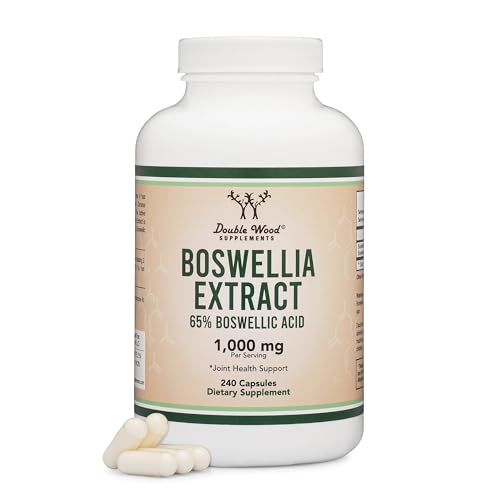
6. Boswellia
Boswellia, or Indian frankincense, is a powerful anti-inflammatory herb that may help reduce migraine frequency, because it contains boswellic acids, which inhibit inflammatory enzymes like 5-lipoxygenase, reducing inflammation and preventing migraines. A 2012 study in Neurological Sciences found that Boswellia significantly reduced the frequency, severity, and duration of cluster headaches at doses of 350 mg-700 mg 3x daily. Boswellia extract is the best way to use this herb for migraines.
5. Peppermint
Peppermint relaxes muscles, improves circulation, and helps with tension headaches due to its menthol content, which has a cooling effect and helps relieve tension headaches and migraines. It’s especially good at relieving flu-related congestion and headaches but is also great for migraines after eating fatty meals as it stimulates bile to digest foods.
A 2016 study published in Frontiers in Neurology found that applying peppermint essential oil (10%) to the temples significantly reduced headache severity. Additionally, peppermint can be prepared as tea, alone or in combination with ginger, and the other herbs for migraines in this article.
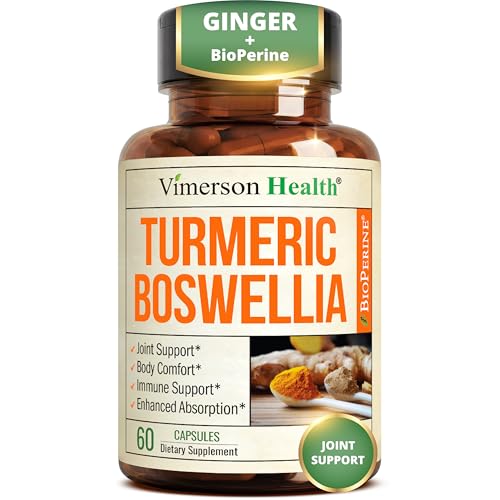
4. Turmeric
Turmeric’s main active compound, curcumin, has strong anti-inflammatory and antioxidant properties, reducing oxidative stress in the brain, which is linked to migraines. It also contains other very beneficial steroidal compounds that work together to fight inflammation causing pain, making it one of the best herbs for migraines. A 2019 study in Immunity & Ageing found that curcumin reduced neuroinflammation and oxidative stress, both of which play a role in migraines. For migraine relief, always use turmeric in combination with other herbs for migraine such as ginger or frankincense.
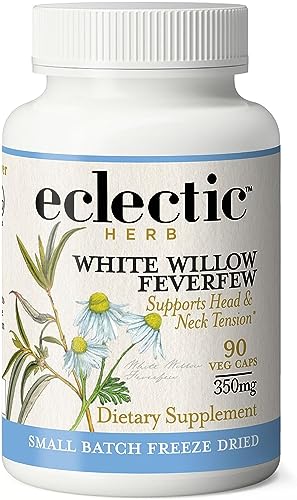
3. Feverfew
Feverfew is one of the best herbs for migraines because it reduces inflammation and constricts blood vessels. The reason is that feverfew inhibits the release of serotonin and reduces prostaglandins, which cause inflammation and blood vessel constriction—two major migraine triggers.
A randomized, double-blind study published in Cephalalgia found that feverfew reduced migraine frequency by 24% in chronic sufferers. The best way to use feverfew for migraines is as capsule, extract, or tea, ideally in combination with other herbs like willow bark, and ginger.
2. Ginger
Ginger blocks migraine pain pathways, reduces inflammation, helps relieve tension headaches, and fights nausea especially after eating fatty meals. It is also amazing for movement sickness. It blocks the action of prostaglandins (which cause pain) and reduces nausea, a common migraine symptom due to its main anti-inflammatory compounds called gingerols. A 2014 study in Phytotherapy Research found that ginger powder was as effective as sumatriptan (a common migraine drug) in reducing migraine severity within two hours.
Fresh ginger is one of the most potent ways to receive its health benefits (steep freshly grated ginger in water and let for 10-20 minutes – sweeten with raw honey). If the taste is too strong for you, opt for ginger capsules, tea, or tincture.

1. Butterbur Root
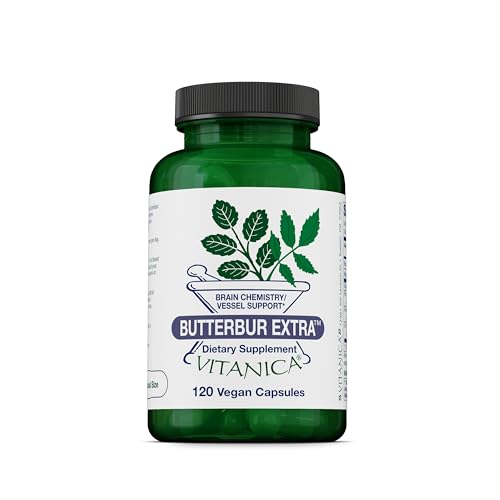
Butterbur root is the most effective herb for migraine prevention, clinically proven to reduce frequency. This herb is one of the most well-researched herbal migraine preventatives. It relaxes blood vessels, reducing neuroinflammation and improving oxygen flow to the brain. A 2004 study in Neurology found that Butterbur reduced migraine frequency by 48% in patients who took 75mg twice daily. (Note: Always use PA-free Butterbur to avoid liver toxicity.)
Read Also: 5 Natural Remedies for Migraines
Migraines can be challenging to manage, but incorporating the best herbs for migraines into your routine may provide significant relief. These scientifically proven migraine remedies offer a natural way to support headache and migraine relief. What is your go-to migraine remedy that you’re relying on? Comment below so you can help others too. Stay healthy, naturally!
Share on Pinterest ❤️