
Looking for the best herbs for kidney health? Continue reading this article and find out what these medicinal herbs are.
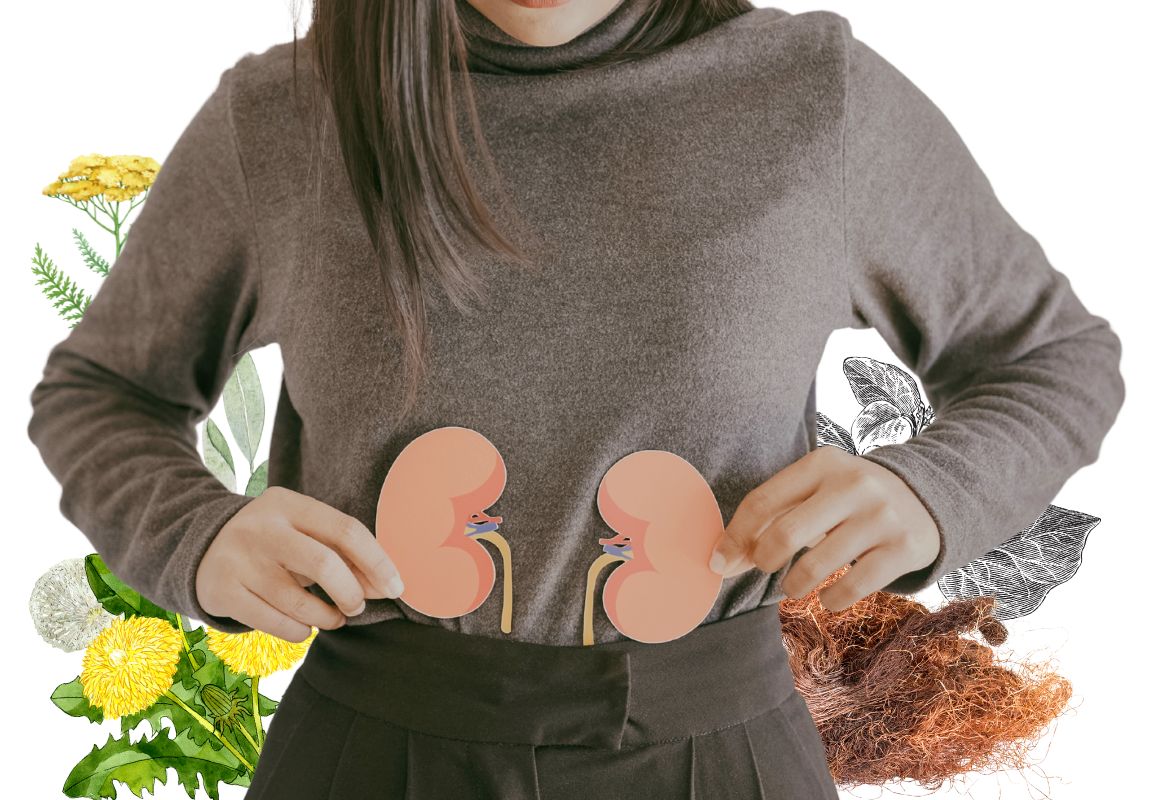
The urinary system, or the excretory system, is mainly composed of the kidneys and urinary pathways, and its primary function is the production, temporary storage, and elimination of urine. The kidneys filter the blood of byproducts resulting from metabolical processes. The process of urine production and excretion is called diuresis. Before we show you the best herbs for kidney health and how to use them, here are the most common kidney problems and symptoms.
In This Article You Will Find:
Most Common Kidney Problem Symptoms
Kidney conditions have various manifestations. The most common kidney conditions include cystitis, kidney stones and sand, renal colic, glomerulonephritis, pyelonephritis, toxic nephropathy, urinary incontinence, and nocturnal enuresis (bedwetting). Below are the most common kidney problem symptoms:
- Polakiuria: Frequent urination without an increase in total urine volume (caused by infections, stones, or tumors).
- Polyuria: When over 2500 ml of urine is excreted per day. This can result from high fluid intake, diabetes, or diabetes insipidus.
- Oliguria: When less than 500 ml of urine is excreted per day. This could be due to problems in the kidneys or urinary tract.
- Anuria: When less than 100 ml of urine is excreted per day – a sign of advanced kidney failure.
- Nocturia: Urination during the night, which can occur even without kidney disease due to excessive evening fluid intake or benign prostate enlargement.
- Dysuria: Painful urination, indicating irritation or inflammation of the bladder, often due to a bacterial infection.
- Edema: Excess fluid and salt retention due to kidney disease, heart conditions, or liver issues. It may initially cause weight gain and later become generalized, affecting the face or limbs.
- Hematuria: The presence of blood in the urine, often caused by kidney, bladder, or prostate conditions. When accompanied by renal colic pain, it may be caused by the passage of a clot from kidney bleeding.
- Uremia: Excessive urea accumulation in the blood resulting from protein metabolism. Symptoms include weight loss, fatigue, shortness of breath, nausea, vomiting, and itching.
- Lower Back Pain: Kidney pain, often felt in the lower back region, can originate from the kidneys or the bladder.
An adult tipically urinates 4 to 6 times a day, mostly during the day, and excretes a total volume ranging from 700 to 2000 ml daily.
12 Best Herbs for Kidney Health and How to Use
1. Dandelion
(Taraxacum officinale)
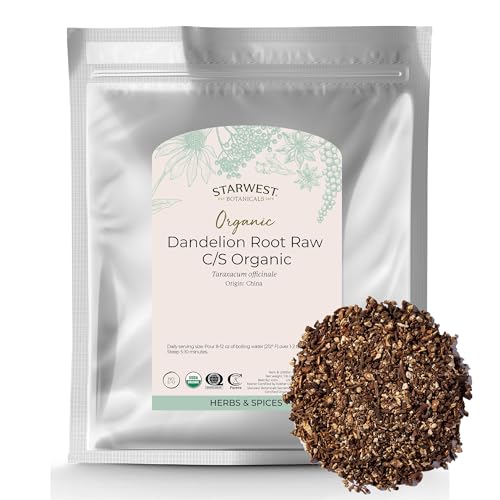
Both the leaves (Folium taraxaci) and roots (Radix taraxaci) of dandelion are highly effective in kidney conditions. During spring, enjoy fresh dandelion leaves in salads to help the kidneys detox. Dandelion is one of the best herbs for kidney health, without any doubt.
- Infusion: 3 cups of tea daily (leaves)
- Decoction: 2 cups daily (root).
- Tincture: 30 drops, three times a day, in a bit of water or tea.
2. Rosehips
(Rosa canina)
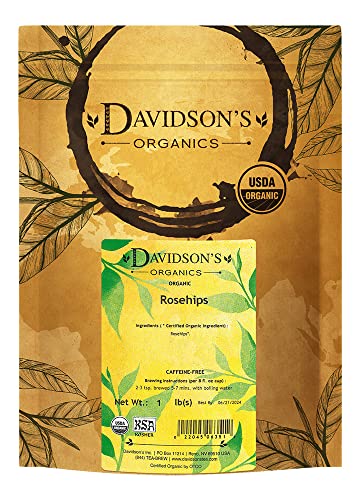
Rose hips (Fructus cynosbati) of rosehips are highly beneficial due to their high natural vitamin C content, which changes the pH of the urine, making it unlikely for pathogenic bacteria to grow in the urinary tract. This is one of the best herbs for kidney health, especially for UTIs.
- Powder: ½ teaspoon, three times a day, with honey or natural juice.
- Decoction: 2 cups of tea daily.
- Tincture: 30 drops, three times a day, added to a cup of calendula tea.
3. Flower of an Hour
(Hibiscus trionum)
The aerial part of flour of an hour makes a wonderful medicine for kidney health, as it targets urinary tract conditions (pyelitis and cystitis). It is excellent for supporting kidney function and managing urinary tract infections.
- Decoction: 2 cups daily.
- Tincture: 30 drops, three times a day, in a bit of water or tea.

4. Couch Grass Rhizome
(Elymus repens)
The rhizomes of couch grass (Rhizoma graminis) help treat anemia caused by kidney diseases, which can cause blood in the urine (hematuria). In addition, its kidney protection effects, make couch grass one of the herbs for kidney health.
- Powder: ½ teaspoon, twice a day, with a little honey or fermented milk.
- Decoction: 2 cups daily.
- Tincture: 30 drops, three times a day, in a bit of water or tea.

5. Yarrow
(Achillea millefolium)
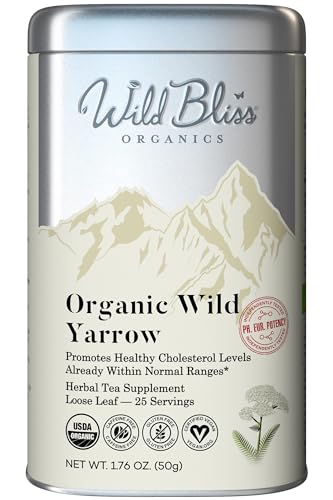
The upper parts of the yarrow plant in bloom (Herba millefolii) are known for their medical use in kidney and urinary tract infections due to their ability to increase diuresis and protect the kidneys. This makes yarrow one of the best herbs for kidney health.
- Infusion: 3 cups of tea daily.
- Tincture: 30 drops, three times a day, added to a bit of water or tea.
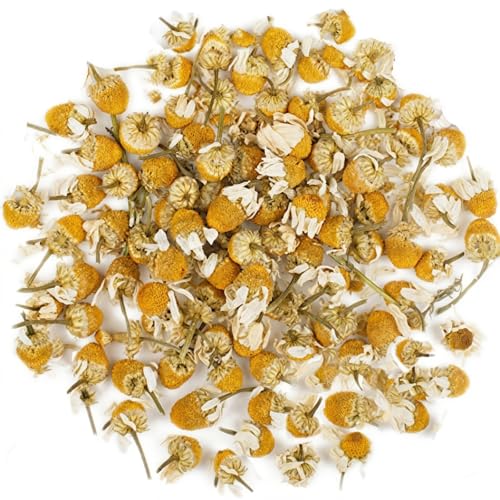
6. Chamomile
(Matricaria chamomilla)
Chamomile flowers (Flores chamomillae) are known for their calming and anti-inflammatory properties, especially for urinary tract infections, making them one of the herbs for kidney health.
- Infusion: 3 cups of tea daily.
- Tincture: 30 drops, three times a day, in a bit of water or tea.
7. Calendula
(Calendula officinalis)
Calendula flowers without the stem (Flores calendulae) are excellent for kidney health, according to studies. More so, when couples with other herbs such as sage chamomile is a natural antibacterial for the urinary tract.
- Infusion: 3 cups of tea daily.
- Tincture: 30 drops, three times a day, added to a cup of tea.

8. Cherry Stems
(Stipites cerasorum)
Cherry stems are known as some of the best herbs for kidney health, because they have proven natural diuretic properties. This makes cherry stems one of the best herbs for kidney health.
- Decoction: 2 cups daily.
- Tincture: 30 drops, three times a day, added to a cup of tea.
9. Corn Silk
(Stigmata maydis)
Corn silk is a powerful diuretic, particularly for edematous conditions caused by kidney problems. Studies have shown it is a powerful antibacterial for the urinary tract. Unlike synthetic diuretics, it does not deplete potassium, making it one of the best herbs for kidney health.
- Infusion: 2 cups of tea daily, sweetened with raw honey.
- Tincture: 30 drops, three times a day, in a cup of dandelion tea.
- Combined Tea: Brew 2 tablespoons of cherry stems in 200 ml of water for 10 minutes, then add a tablespoon of corn silk and steep for 15 minutes. Drink 2 cups daily, sweetened as desired.

10. Sea Buckthorn
(Hippophae rhamnoides)
Sea buckthorn berries (Fructus hipophae) are rich in nutrients and beneficial for kidney health and are one of the best remedies for kidney problems due to their anti-inflammatory properties.
- Infusion: 3 cups of tea daily.
- Tincture: 30 drops, three times a day, in a bit of water or tea.

11. Nettle
(Urtica dioica)
Nettle leaves (Folium urticae) are commonly used for a good spring detox of the kidneys, and you can use them both fresh or dried. Nettle is one of the best herbs for kidney health.
- Infusion: 3 cups of tea daily.
- Tincture: 30 drops, three times a day, added to a cup of artichoke tea.
No products found.
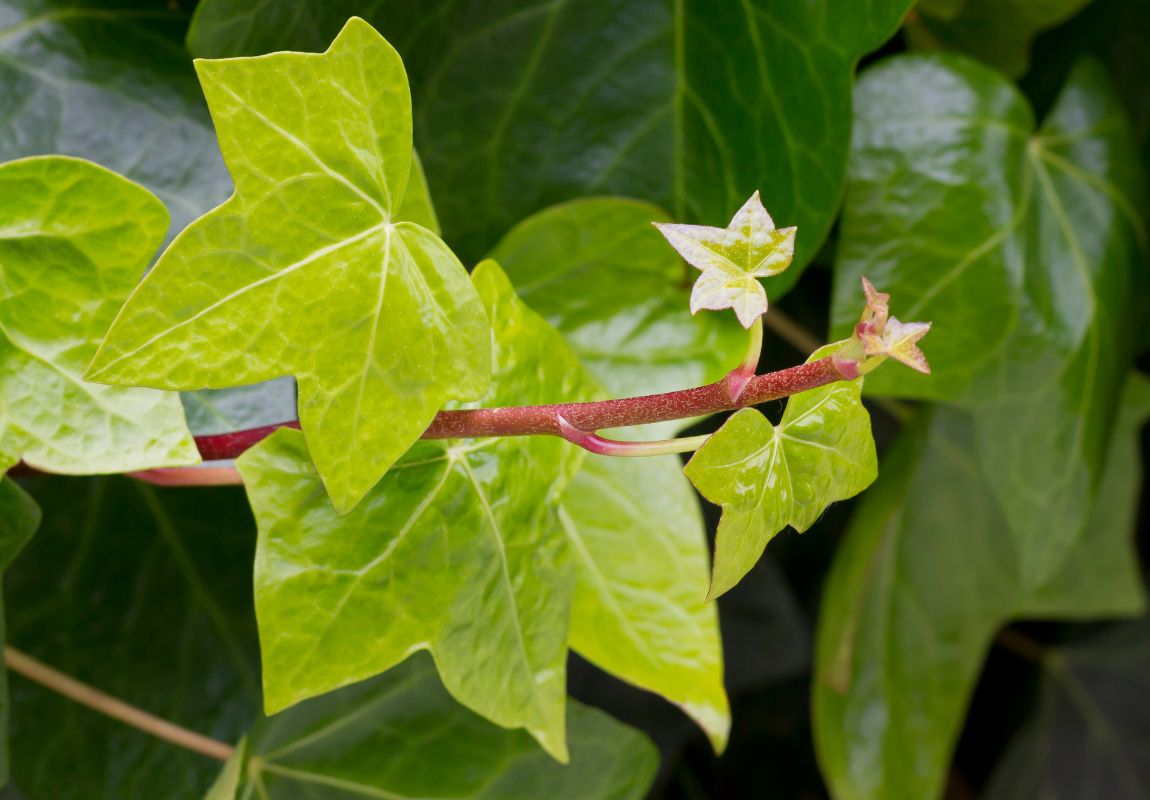
12. Common Ivy
(Hedera helix)
Common ivy is particularly useful in alleviating pain during renal colic, helping with kidney-related discomfort. You can make tea, or supplement with non-alcoholic ivy tincture.
- Infusion: 3 cups of tea daily.
- Tincture: 30 drops, three times a day, in a bit of water.
How to Prepare These Plants for Kidney Conditions
Using medicinal herbs for kidney diseases is an alternative treatment, which can be used alongside the medication recommended by your healthcare provider. The mechanism by which the abovementioned medicinal plants work is by increasing diuresis. To use these herbs for kidney health at home, you can prepare them following the remedies below:
- Powder (can be made from rose hips, couch grass rhizome, and sea buckthorn) Grind the dried plant finely using a coffee grinder. Take a teaspoon of the powder twice a day, with a little honey, syrup, natural juice
- Infusion (made from dandelion leaves, yarrow, chamomile, calendula, ivy, corn silk, and nettle) Pour 250 ml of boiling water over 2 tablespoons of dried, roughly chopped plants. Bring the mixture to a boil, then let it steep for 30 minutes. Afterward, filter it through gauze or a thin layer of cotton wool. Sweeten to taste.
- Decoction (made from dandelion root, couch grass rhizome, yarrow, and cherry stems) Boil 4 tablespoons of dried, roughly chopped plants in 500 ml of water over low heat for 30 minutes in a stainless steel or enamel pot. Top up the water that evaporates during boiling. Filter it while still hot through gauze or medicinal cotton, slightly moistened with a little water. Sweeten to taste.
- Tincture (made from calendula, ivy, couch grass rhizome, dandelion, yarrow, reed, cherry stems, corn silk, sea buckthorn, nettle) Soak 2 tablespoons of dried, roughly chopped plants in 100 ml of food-grade vegetable glycerin diluted with water (3:1 ratio, meaning 75 ml of glycerin + 25 ml of water) for 4-6 weeks, shaking it daily. After macerating, filter the tincture through gauze or a coffee filter and pour it into amber bottles with a dropper (shelf life is one year).
Urine color can also provide valuable insights into the health of the kidneys. Urine should be clear and/or amber in color. Any changes in color could be due to certain foods, food dyes or medications. Cloudy urine may indicate phosphate salts or urinary tract infections.
Read Also: 20 Natural Treatments for Kidney Stones
Incorporating medicinal herbs for kidney health into your daily routine can significantly benefit your urinary tract. Whether it’s improving kidney function, reducing inflammation, or supporting detoxification, herbs for kidney health like dandelion, rosehips, or nettle offer natural and effective solutions. Stay healthy, naturally!
Share on Pinterest ❤️


6 comments
How can I find a MD that believes in herb treatment?
Hello, Ruth! Naturopaths, herbalists or holistic doctors use herbal treatments and are certified to prescribe these treatments. Search for naturopaths or herbalist or holistic doctors near online. Much health to you!
I am having lower back pain when I stand walk. I am a male. Occasionally, when I urinate it looks light bright red? After urinating, the pain subsides. Appreciate your advice?
Hi, Donnie!
The symptoms that you’re having could point to a few different conditions, some of which require urgent medical attention: kidney stones, UTIs or bladder infection, prostate or urethral issues, or other health problems. We recommend that you consult a naturopath or herbalist doctor, as we cannot offer medical advice. I hope we helped. Much health to you!
What are the most effective herbs for treating CKD stage 3 b??
John
7/14/2025
Hi John,
According to Medical Medium, kidney disease in general, including CKD are actually caused by herpes family viruses (HHV6 and HHV7 – as well as other strains yet to be discovered by the medical community). The first thing to do is to reduce any medical drug intake, as drugs deeply affect the functioning of the kidneys, but this is something you have to discus with your medical doctor. The next step is to focus on your diet. First, lower all animal fats to a very minimum (or cut our – ideally) until your kidneys have a chance to heal – this includes dairy, eggs and meat/fat (eggs feed HHV6 virus family in particular!).
Instead, have plenty of healing fruits, leafy greens, lettuce, and vegetables like potatoes, sweet potatoes, winter squashes, mangos, orange juice, melons, apples, pears, quinoa, millet, black beans, and more. Limit or reduce fruits that are high in potassium like bananas, avocados, and figs. Reduce nuts and seeds for the time being, as they are also high in fats. Cucumber juice is healing for the kidneys, as well as celery juice and lemon water (room-temperature) first thing in the morning to flush out toxins.
Some of the most healing herbs for CKD are lemon balm, peppermint, and nettle that you can take as teas daily, or as glycerin tinctures (non-alcoholic) – lemon balm, and nettle tincture. Avoid caffeine (coffee, cacao, tea, matcha), instead you can drink diuretic teas like dandelion, couch grass, cherry stem or corn silk. L-lysine is another helpful supplement for CKD because it fights herpes viruses. (I’ve likned to the ones we recommend).
Please always consult with a medical doctor before taking any supplements or making any lifestyle changes if you suffer from CKD stage 3 b.
Much health to you! 🌿