Looking for the best foods for allergic rhinitis? Discover the best allergy-proof foods to relieve allergic rhinitis naturally.
If you suffer from allergic rhinitis, you know how frustrating symptoms like sneezing, nasal congestion, and itchy eyes can be. While medications help, did you know that certain foods can naturally alleviate your allergies? Packed with antioxidants, anti-inflammatory compounds, and immune-boosting nutrients, these foods can help you breathe easier and reduce allergy symptoms. Let’s dive into the 10 best foods to help combat allergic rhinitis naturally

In This Article You Will Find:
9 Best Foods for Allergic Rhinitis
1. Foods Rich in Quercetin
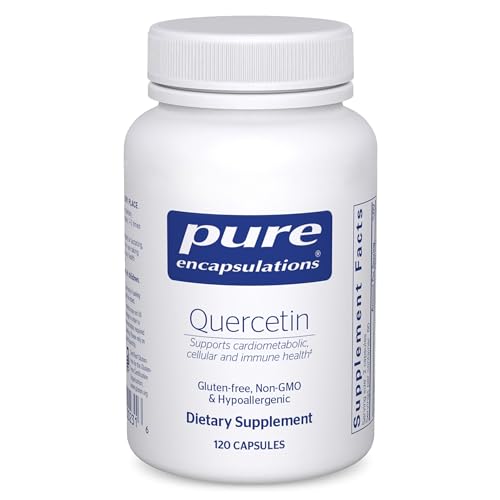
Quercetin is a powerful antioxidant with natural antihistamine properties that help reduce allergy symptoms. Onions, garlic, and evening primrose are especially high in quercetin. Dr. Andrew Weil, a professor at the University of Arizona, also highlights nettles as one of the most effective natural remedies for allergies. Here is a quercetin-rich allergy-fighting soup.
- boil a whole onion (with peel) and a clove of garlic.
- add half a cup of chopped evening primrose leaves and diced root.
- let simmer for 3–5 minutes, then add a cup of nettles and a cup of finely chopped celery stalks and leaves.
- cook for another 3–10 minutes on low heat.
- remove the onion peels and season with lemon juice, black pepper, raw onion slices, turmeric, curry, horseradish, chili, mustard seeds, or celery seeds.
Other great sources of quercetin include citrus fruits, apples, grapes, cherries, blueberries, blackberries, parsley, and olive oil.
2. Broccoli
A member of the cruciferous family, broccoli is loaded with vitamin C, which acts as a natural antihistamine by reducing inflammation. Cruciferous vegetables help unclog sinuses and reduce allergy symptoms due to their high carotenoid content. Clinical studies show that consuming at least 500 mg of vitamin C daily—through diet or supplements—can significantly alleviate allergy symptoms, asthma, respiratory infections, and excess mucus production. Broccoli also contains compounds that help clear sinus congestion. Other vegetables with similar benefits are celery, carrots, ginger, cabbage, turmeric, and chamomile.
3. Citrus Fruits
Oranges, grapefruits, lemons, and limes are excellent sources of vitamin C, essential for reducing histamine levels. Other vitamin C-rich foods include guavas, strawberries, cantaloupe, mangoes, tomatoes, potatoes, cabbage, and raw spinach. If your diet lacks sufficient vitamin C, consider taking a supplement to boost your intake.

4. Elderberries
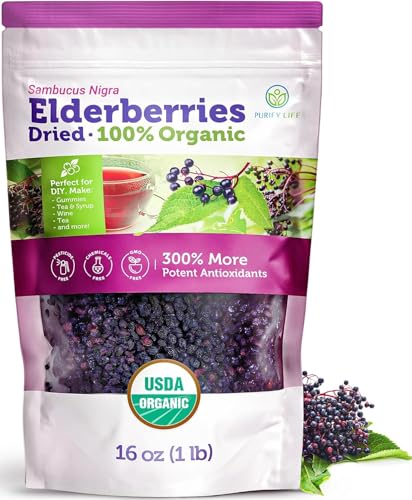
Traditionally used to treat colds, flu, and allergies, elderberries contain flavonoids and anthocyanins that strengthen the immune system and reduce inflammation. But even more so, they are the perfect food for allergic rhinitis. You can find elderberry extract in natural stores, but fresh elderberry juice or jam are also excellent natural remedies for allergy relief that you can make at home.
5. Pumpkin
Pumpkin is rich in carotenoids, including three forms of vitamin A that are common in orange-colored fruits and veggies, which can help reduce allergic reactions. Studies show that individuals with higher carotenoid levels in their blood experience milder allergy symptoms. Other orange-colored fruits and vegetables, such as carrots, also provide similar allergy-relief benefits.
6. Parsley
Parsley helps block the release of histamine, the compound responsible for allergy symptoms. Hence, increasing your parsley intake may offer relief if you experience a runny nose or skin rashes. Plus, is one of the best natural sources of B12.

7. Pineapple
Pineapple contains bromelain, an enzyme known for its anti-inflammatory properties. In recent years, even allopathic medicine has accepted that the pineapple enzyme bromelain fights inflammation caused by allergic rhinitis. Therefore, bromelain is currently prescribed for inflamed sinus mucosa, as well as for nasal mucosa that has suffered from surgery on the nose, throat, or ears.

8. Peppermint
In the United States, in the late 19th and early 20th centuries, there was a naturopathic medical school known in medical history as “Eclectic Medicine”. These doctors treated hay fever and asthma with ointments applied to the chest and back and inhalations that released menthol-laden vapors. Peppermint, along with related plants like water mint, and wild mint, but also geranium (Pelargonium graveolens) contains high concentrations of menthol, which can help open up airways and ease congestion.
9. Spicy Foods
Chili peppers, ginger, horseradish, and mustard can provide instant relief from nasal congestion by thinning mucus and opening up airways. Capsaicin in chili peppers dilates blood vessels, helping to clear sinuses, which was known even by the ancient Maya. Dr. Irwin Ziment from UCLA recommends eating a chili pepper daily for better respiratory health.

Worst Foods for Allergic Rhinitis
Dr. Richard Firshein from the Center for Comprehensive Medicine in New York strongly recommends a predominantly vegetarian diet, focusing more on vegetables and wild-caught fish and cutting out meat, eggs, and dairy products. Dairy, eggs, and red meats like beef and pork contain saturated fats that promote inflammation and support viral activity. To reduce allergic reactions, it is best to limit or completely avoid:
- Gluten
- Dairy products
- Eggs
- Pork
- Refined sugar (such as beet sugar)
- Soy
- Corn
- Canola oil
- Soft drinks
- Fats (butter, margarine, pork fat)
- Farmed fish
- Alcohol
- Caffeine
- Food additives: monosodium glutamate (MSG), citric acid, artificial and natural flavors, preservatives, emulsifiers, sulfites, and formaldehyde.
Read Also: 7 Natural Remedies for Rhinitis
Incorporating these allergy-fighting foods into your diet can help reduce allergic rhinitis symptoms naturally. Try these natural remedies alongside your natural treatment for a holistic approach to managing allergies. Stay healthy, naturally!
Share on Pinterest ❤️