Looking for herbal remedies for hypothyroidism that actually work? Find out what’s causing hypothyroidism and how to heal from it.
Hypothyroidism can be a frustrating condition, affecting everything from energy levels to cognitive function. While conventional medicine often focuses on hormone replacement therapy, many people are turning to herbal remedies to support their thyroid health and address the root causes of hypothyroidism. One such root cause is the Epstein-Barr Virus (EBV), which can damage the thyroid and lead to various thyroid imbalances. In this article, we will explore 9 herbal remedies for hypothyroidism, but before, let’s shed light on the true cause behind the condition.

In This Article You Will Find:
The Real Cause of Hypothyroidism
The true cause of hypothyroidism is often misunderstood. According to intuitive healer and best-selling author Anthony Williams, Epstein-Barr Virus (EBV) is the key culprit. It settles in the thyroid and affects its function. Williams explains that for most cases of Hashimoto’s, hypothyroidism, and even hyperthyroidism, the real cause is a pathogen, specifically EBV, attacking the thyroid. Contrary to popular belief, it’s not the body attacking the thyroid as medical communities often suggest. Instead, it’s the virus causing the issue, which can lead to thyroid dysfunction.
Allopathic treatments use synthetic thyroid hormones, that often have long-term effects on the body and don’t tackle the root cause of the problem. This is why herbal remedies can be beneficial—they help fight the underlying virus and support thyroid health naturally. Let’s get to them.
9 Herbal Remedies for Hypothyroidism and How to Use Them
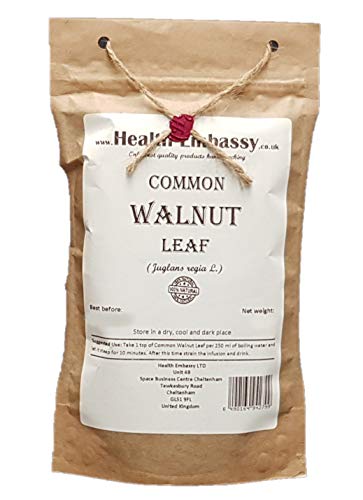
1. Walnut Leaves
(Folium juglandis)
If hypothyroidism is caused by a chronic iodine deficiency, walnut leaves, which are rich in iodinated compounds, can be helpful.
- Infusion – 2 cups daily after meals.
- Tincture – 30 drops twice a day mixed with water or tea.
Walnut leaf remedies are also recommended for atherosclerosis, liver diseases, metabolic disorders, cardiovascular issues, and blood conditions. Externally, walnut decoction can be used for skin and mucosal diseases.
2. Bean Pods
(Fructus phaseoli sine semine)
Bean pods contain tyrosine, an amino acid that is a precursor to thyroid hormones. Therefore, in addition to hormone therapy, using bean pod preparations can be beneficial for thyroid health.
- Powder – a small teaspoon twice a day with honey or fresh juice
- Decoction – 2 cups per day
- Tincture – Take 30 drops three times daily, mixed with tea or water.
For hypothyroidism caused by iodine deficiency and poor thyroid hormone synthesis, a combination therapy of walnut leaves and bean pods is recommended. These preparations can also help with diabetes, liver detoxification, male infertility, sleep disorders, and gout.

3. Rosehips
(Fructus cynosbati)
Rosehips are among the richest fruits in Vitamin C, which supports the thyroid by fighting pathogens like the EBV virus.
- Powder – half a teaspoon three times daily after meals, either alone or mixed with honey or fresh juice.
- Decoction – 2 cups daily.
- Tincture – 30 drops twice a day, mixed with water or tea.
Rosehip treatments are beneficial for a variety of conditions, including blood, liver, digestive, and urinary tract diseases, as well as viral infections, neurological issues, and more.

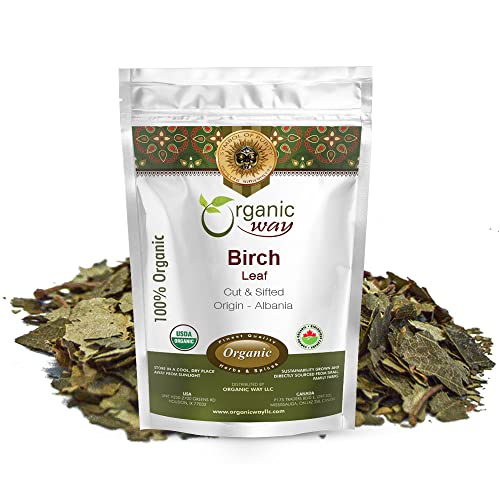
4. Birch Leaves
(Folium betulae)
Birch leaves can be easily turned into powder, infusion, or tincture at home and used as an herbal remedy for hypothyroidism.
- Powder – 1 small teaspoon twice a day with honey or fresh juice.
- Infusion – 2 cups per day after meals.
- Tincture – 30 drops twice a day with water or tea.
Birch leaf preparations are also effective for uric acid elimination, helping with gout.
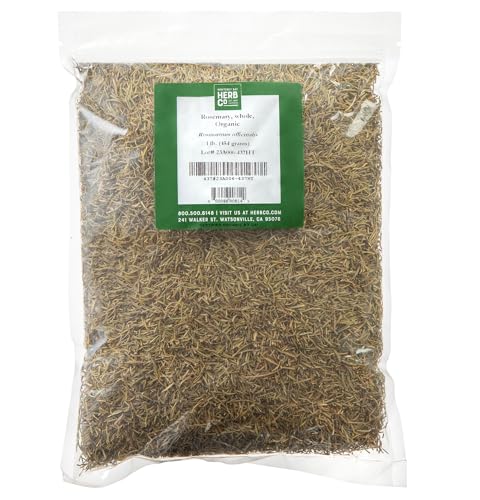
5. Rosemary Leaves
(Folium rosmarini)
Rosemary is a great herbal remedy for hypothyroidism that has led to slow thinking and mental fatigue.
- Powder – one small teaspoon twice a day with honey or fresh juice
- Infusion – 2 cups per day after meals.
- Tincture – 30 drops twice a day with water or tea.
Rosemary can also be used for digestive issues, stomach conditions, and respiratory system disorders.
6. Sloe Flowers
(Flores prunus spinosa)
Sloe flower preparations can be beneficial for high blood pressure, acting as a mild diuretic, detoxifier, and laxative.
- Infusion – 2 cups daily after meals.
- Tincture – 30 drops twice a day, mixed with water or tea.
7. Grape Pomace
(Cortex et semen vitis vinifera)
Grape pomace is known for its effectiveness in treating heart conditions, blood vessel problems, and neurological disorders. It’s rich in resveratrol, one of the most powerful natural antioxidants.
- Powder – 2 teaspoons daily in fresh juice or water with honey.
- Ground Seeds – one small teaspoon twice a day.
- Tincture – 30 drops twice a day with water or tea.
No products found.
8. Nettle
(Herba urticae)
Stinging nettle can be used as a natural remedy in spring, either in soups or purees or as a dried herbal supplement for the rest of the year. Here is how to use nettle as an herbal remedy for hypothyroidism.
- Infusion – 2 cups daily.
- Tincture – 30 drops three times a day with tea.
Nettle preparations serve as a detoxifier, laxative, and remineralizer, and can also help with high blood pressure, hemorrhoids, anemia, and prostate conditions.
No products found.
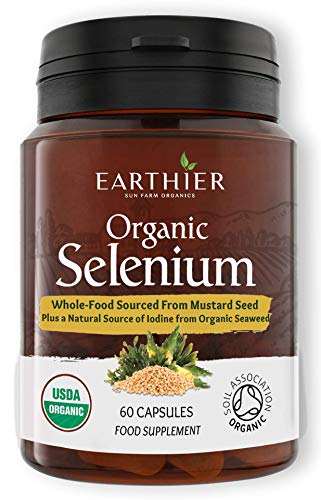
9. Organic Selenium
Selenium plays a key role in thyroid hormone synthesis, making it an essential part of any natural treatment for hypothyroidism. The reason is that it strengthens the immune system against EBV, plus it strengthens and protects the central nervous system. Foods that are rich in organic selenium include:
- oats
- sprouts
- onions
- garlic
- carrots
- grapes
- mushrooms (chaga, crimini,
- Brazil nuts (contain the highest amount of selenium – 2-4 nuts a day)
- sesame seeds
- almonds
- hazelnuts
- sunflower seeds
- pumpkin seeds
- mustard seeds
- wild-caught fish
- roses (Rosa damascene)
- marshmallow root
Avoid synthetic selenium supplements, as synthetic selenium is not easily decoded and used by the body, on the contrary. Selenium is also an amazing supplement for hair, skin, and nail health, and alongside organic zinc is a powerhouse for boosting immunity and fighting viruses.
How to Prepare These Remedies for Hypothyroidism at Home
The results of these herbal remedies for hypothyroidism depend on consistency and using them without long interruptions. Of course, avoiding inflammatory foods is a must for long-term results and full healing.
- Powder (can be made from grape pomace, bean pods, birch leaves, or rosemary) – Dry the plant thoroughly and grind it very finely in a coffee grinder. Before grinding, seeds, bark, and roots can be roasted on low heat in the oven or at 160°C in the electric oven for 20 minutes.
- Infusion (from walnut leaves, birch leaves, rosemary, sloe flowers, and nettle leaves) – Steep 2 tablespoons of coarsely chopped dried plant material in 250 ml of boiling water and let it steep for 30 minutes. After that, strain it and sweeten it to taste with sugar or honey.
- Decoction (from rosehips or bean pods) – Boil 2 tablespoons of coarsely chopped dried plant material in 500 ml of water over low heat for about 15 minutes, in a stainless steel or enameled pot. At the end, add back the evaporated water. Strain while hot through gauze or medical cotton soaked in a little water. Sweeten to taste.
- Tincture – Place 2 tablespoons of coarsely chopped dried plant material in 100 ml of vegetable glycerin mixed with distilled water (75 ml vegetable glycerin and 25 ml distilled water). Let it macerate for 3-4 weeks, shaking daily. Strain through gauze and store in dark glass bottles with droppers. The shelf life is 1 year from the preparation date if kept in a cool, dark place.
Read Also: 8 Natural Treatments for Hypothyroidism
Herbal remedies offer a natural, supportive approach to managing hypothyroidism and addressing its root causes. By incorporating these herbs into your routine, you can help combat the Epstein-Barr virus and support your thyroid health. As always, consult with a healthcare provider before starting any new treatment, especially if you are already on prescribed thyroid medication. Stay healthy, naturally!
Share on Pinterest ❤️