Want to discover the most powerful summer solstice herbs and their uses in ancient Celtic remedies and traditions? Read more.
Over 4,500 years ago, the Druids celebrated the summer solstice with grand ceremonies dedicated to the sun. This powerful event marked the longest day of the year, a time when solstice herbs reached their peak potency. With the spread of Christianity, the celebration merged with St. John the Baptist’s feast (June 22-24), a figure revered as the great protector of medicinal plants.
Historical records from the late 18th century reveal that on the morning of June 24—St. John’s birthdate—Scottish and Irish marketplaces overflowed with bundles of summer solstice herbs. People eagerly competed to buy these powerful plants, believing they could ward off illness. This ancient tradition still thrives today in annual herbal fairs across western France. Now let’s dive deeper into the summer solstice herbs that Druid priests used during this important annual event.

In This Article You Will Find:
6 Summer Solstice Herbs and Their Uses – Ancient Celtic Remedies
1. Summer Solstice Herbs: Mugwort
(Artemisia vulgaris)
For centuries, Celtic healers and herbalists revered mugwort as one of the most powerful summer solstice herbs. They used it to prevent infections from turning gangrenous, treat epilepsy, expel intestinal parasites, and support women’s health. Warriors and hunters relied on mugwort to heal wounds, while rural communities in northern France placed its leaves in children’s shoes to ease fatigue during long journeys.

Celtic Remedies with Mugwort
- Epilepsy – Grind 50g of dried mugwort root and mix with 50g of honey. Take three teaspoons daily between meals.
- Amenorrhea (absent menstruation) – Infuse 17g of mugwort flower tops in 1 liter of boiling water for 17 minutes. Drink three cups daily between meals.
- Nervous System Disorders & Hysteria – Mix 3g of mugwort root with a cup of water heated to 37°C. Drink one cup in the morning and another in the afternoon.
- Boost Appetite – Steep 9g of mugwort flower tops in 1 liter of boiling water for 8 minutes. Drink a small liqueur glass before two main meals.
- Intestinal Worms – Steep 19g of mugwort leaves in 1 liter of boiling water for 9 minutes. Strain, sweeten with honey, and drink a warm cup in the morning and evening.
- Wound Healing & Insect Bites – Prepare a decoction by simmering a handful of mugwort leaves in cold water. Bring to a gentle boil for 5 minutes. Use it to cleanse wounds, skin ulcers, and insect bites.
Avoid mugwort during pregnancy, breastfeeding, cerebral congestion, or if you have gastric or intestinal irritation!
Mugwort Syrup Recipe for Digestive Health
Steep 150g of mugwort leaves and flower tops in 1 liter of boiling water for 5 hours and 10 minutes. Boil until reduced by a third, strain, cool, and mix with 500g of honey. Simmer again on low heat, skimming the foam until reaching a syrupy consistency. Take one tablespoon after the main meals. Mugwort remains one of the most revered summer solstice herbs, connecting ancient traditions with modern herbal medicine.

2. Burdock – The Royal Summer Solstice Herbs
(Arctium lappa)
Known in France as the “plant of kings”, burdock gained fame for allegedly curing King Henry III of syphilis. Thriving along roadsides and damp areas, this powerful summer solstice herb produces large leaves and striking purple flowers that bloom in summer. Children in rural regions even use its broad leaves as natural sunshades.
Burdock offers exceptional medicinal properties, acting as a diuretic, uric acid eliminator, liver cleanser, natural antibiotic, and anti-diabetic remedy. It effectively fights gram-positive bacteria, including staphylococcus aureus, streptococci, and pneumococci.

Celtic Remedies with Burdock
- Kidney Stones – Add 37g of burdock root to 1 liter of cold water. Bring to a boil and simmer for 12 minutes. Drink three cups daily between meals.
- Diabetes – Boil 59g of burdock root in 1 liter of water for 9 minutes. Drink three cups daily between meals. This remedy rapidly lowers blood sugar levels.
- Blood Purification & Skin Condition – Infuse 48g of burdock root in 1 liter of boiling water for 10 minutes. Drink five cups throughout the day, starting with one on an empty stomach in the morning.
- Snake Bites (emergency remedy) – If no anti-venom is available, crush fresh burdock leaves and apply them directly to the bite.
- Seborrhea, Eczema & Acne – Boil 19g of burdock root in 250ml of water for 19 minutes. Let it infuse, strain, and apply with a cotton pad to affected areas.
- Leg Ulcers (including cancerous ulcers) – Macerate burdock roots in virgin sunflower or olive oil. Fill a bottle with roots, cover with oil, and let it infuse for 14 days before use.
- Rheumatism & Sciatic Pain – Crush fresh burdock leaves and macerate them in cold-pressed oil with a touch of camphor. Apply the mixture to painful areas for rapid relief.
- Lung Conditions & Chronic Coughs – Mash fresh burdock leaves with a bottle and place them directly onto the chest. This remedy provides quick relief for persistent colds and chronic lung conditions.
According to the Celtic-Druidic College of France, 4g of dried burdock equals one teaspoon, while 8g equals one tablespoon. Burdock remains one of the most versatile summer solstice herbs, valued for its powerful detoxifying and healing properties.

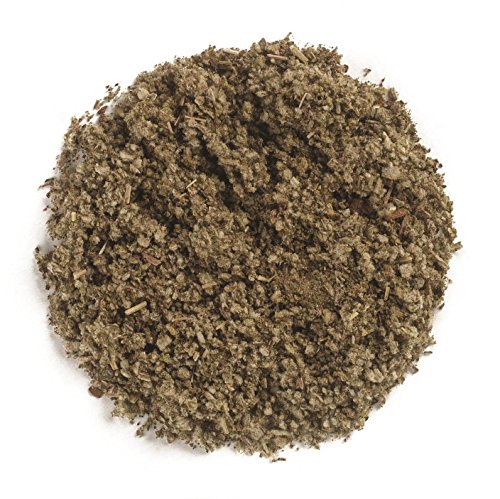
3. Sage
(Salvia officinalis)
Sage is the third sacred Druidic plant, is also part of St. John’s summer solstice herbs, and is governed by the sun. One of its distinct characteristics is its scent, which resembles sweat—this similarity led to its use in cases of excessive perspiration. Celtic hunters would rub sage leaves on their skin to approach animals more easily.
In ancient times, Dioscorides considered sage a diuretic, and Druids used it to treat venomous snake bites. In the 18th century, it was used against epilepsy, lethargy, paralysis, bronchitis, and chronic colds. Infused in red wine, sage produces an aromatic drink used for disinfecting and dressing wounds. Sage tincture, mixed in equal parts with rum, strengthens the scalp and promotes hair growth.

Celtic Remedies with Sage
- Sweating, Infections, Fungal Conditions – Steep one heaping teaspoon of dried sage in 200 ml of boiling water for 10 minutes. Strain and drink 2-3 cups per day.
- Natural Energizer – Boil one tablespoon of dried sage in one liter of water for 7 minutes. Let it infuse until it cools. Drink one cup after each main meal.
- Sore Throat & Bad Breath – Use the tea prepared as above for gargling.
- Vaginal Infections (Candida and Fungi) – Put 3-5 drops of sage essential oil in one liter of lukewarm water and use for vaginal rinses. Or use sage tincture by diluting in sage tea in a 10% ratio and use for vaginal rinses.
- Night Sweats & Hot Flashes – Apply warm compresses soaked in sage vinegar to the torso and arms. Do not rinse off; let it absorb into the skin. To make the sage vinegar, put 4 tablespoons of fresh sage leaves and flowers. Pour 750 ml of homemade apple cider vinegar over them. Seal tightly and let sit for two weeks, then strain. To extend its shelf life, add 250 ml of alcohol.
Due to its essential oil content, sage can strengthen the nerves, as well as the body and soul, against the signs of aging. This association also comes from its gray-green leaves, which resemble graying hair, and the fact that sage endures through winter—just as humans wish for longevity. It is one of the most remarkable summer solstice herbs.
4. Chamomile – The Gentle Summer Solstice Herbs
(Matricaria chamomilla)
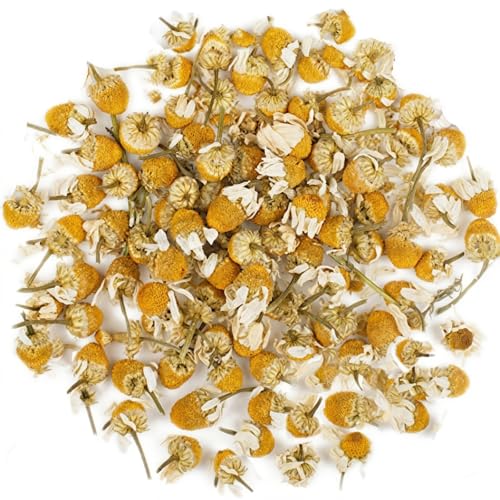
Chamomile may seem like a modest plant, but its fragrance and healing properties make it one of the most revered summer solstice herbs. With delicate white petals encircling a golden center, chamomile was highly trusted by the Roman naturalist Pliny the Elder, who recommended it for snake bites, expelling stillborn fetuses, and dissolving kidney stones.
In Celtic medicine, chamomile is associated with the Sun, reflecting its bright, cheerful appearance and uplifting scent. In ancient times, it was linked to Venus, the goddess of love, and was commonly used in remedies for women’s health. The golden, domed flower center was considered symbolically connected to the cervix, and since Celtic times, chamomile has been a trusted treatment for vaginal infections and fungal conditions.

Celtic Remedies with Chamomile
- Anxiety & Migraines – Infuse one teaspoon of dried chamomile flowers in a cup of boiling water for three minutes. Drink one cup after each main meal. Sweeten with honey if desired.
- Digestive Tonic, Gastritis, Urinary Tract Infections – Steep three teaspoons of dried chamomile flowers in a cup of boiling water for ten minutes. Strain and drink four cups daily before each main meal.
- Rheumatic Pain, Sprains, Sciatica, Vertebral Displacement – Simmer five teaspoons of dried chamomile flowers in three-quarters of a liter of olive oil using a double boiler for two hours and thirty minutes. Add a pinch of camphor, let cool, strain through gauze, and massage painful areas gently from bottom to top.
- Eczema and Skin Irritations – Place 100 grams of chamomile flowers in a small cloth bag and tie it to the hot water tap in the bathtub. Allow the water to flow over the bag as the bath fills. Once the temperature is comfortable, soak in the infused water to accelerate skin healing and relieve hemorrhoids.
- Vaginal Infections and Fungal Infections – Steep two tablespoons of dried chamomile flowers in 250 milliliters of boiling water for fifteen minutes. Strain, cool to body temperature, and use with a ten-milliliter sterile syringe for vaginal rinses. In acute cases, repeat two to three times daily.
The Celts used chamomile compresses for infected wounds and baths in chamomile decoctions for skin conditions. Sitz baths were prepared in poplar wood tubs, enhancing the herb’s effectiveness. While chamomile is generally safe, excessive use can reduce its medicinal potency. Adding a mint leaf or a teaspoon of honey to chamomile tea improves its taste and preserves its healing properties.
Chamomile remains one of the most versatile solstice herbs, valued for its calming, digestive, and skin healing benefits. Let me know if you would like any adjustments or additions.
5. Common Ivy – The Mystical Summer Solstice Herbs
(Hedera helix)
Ivy is present in almost all forests, climbing tree trunks and wrapping around them with its flexible stem. Its glossy, dark green leaves endure even in winter. Because it can grow up to 20 meters high, Celtic druids believed that ivy connected the heavens and the earth, intertwining celestial healing forces with those of the land.
They believed ivy was a magical plant, said to unite consciousness with the subconscious.
In Celtic medicine, ivy is associated with the Sun and, like all evergreen plants, symbolizes immortality, providing long-term vitality and energy. In regions where it grew abundantly, covering trees with dense foliage, people believed those areas were exposed to negative radiation. However, the Celts thought that ivy neutralized these harmful energies and had a beneficial effect on the immune system.
The milky veins running through its leaves were likened to the bronchi, while the flow of chlorophyll resembled the movement of lymph. These similarities led to ivy being used for lung diseases, and lymphatic blockages, as an anti-inflammatory, anticancer agent, and thyroid function stimulant.

Celtic Remedies with Ivy
- Gout and Rheumatism – Bring to a boil 3 grams of fresh ivy leaves for 3 minutes, and infuse in a liter for 15 minutes. Drink 3 cups per day between meals.
- Myomas & Heavy Menstrual Bleeding – Legend has it that the famous German nun Hildegard von Bingen took a recipe from Druid priests and perfected it to bring it to completion. Forgotten for a time, it was later revived by a German doctor, Dr. Claus Schulte, who developed a new, highly effective version. Here’s the recipe. Mix 20 grams of dill, 20 grams of celery seeds, 40 grams of ivy leaves, 40 grams of grated ginger root, 40 grams of cloves, and 40 grams of yarrow. Add 2 teaspoons of this mixture to a cup of boiling water and let it steep for 12 minutes. Strain and drink 3 cups daily for six weeks, twice a year.
- Bruises & Gangrene – Prepare a decoction by boiling 3 grams of common ivy leaves in a liter of cold water for 3 minutes. Let it cool and strain. Apply 4 times a day (twice in the morning and twice in the afternoon), allowing the treated area to air dry for 15 minutes.
- Cellulite – Fresh ivy leaves are blended and mixed with wheat bran in a 30 to 70% ratio (one-quarter cup of chopped leaves and the rest bran). Add chamomile oil until a thick, spreadable paste is formed. Apply 3-4 times a day, avoiding inflamed areas. Chamomile oil is made by filling a bottle with fresh chamomile flowers and pouring in cold-pressed vegetable oil until full. The mixture is left in the sun for one week before use.
Ivy should be used with caution, preferably under medical supervision, as excessive consumption can be toxic. Unregulated infusions may lead to liver cirrhosis. The berries are poisonous; if accidentally ingested, children should immediately drink milk, and a doctor should be contacted. Ivy should not be used by pregnant women, either externally or internally.

6. St. John’s Wort
(Hypericum perforatum)
As its name says, St. John’s wort is, by name and definition, Saint John the Baptist’s ultimate summer solstice herb. The golden-yellow flowers of this plant, with their upright stamens resembling sun rays, create a botanical image of the sun. Because of this, the Druids placed St. John’s wort under the sign of the celestial body that awakens self-awareness in people, ruling over the heart and the immune system.
St John’s wort is governed by the sun.
The role of this bright and warm-looking plant is to bring warmth to the soul and dispel illness wherever it may be. Additionally, the red color of its tea and oil has been interpreted as a sign of its similarity to blood and its ability to heal infections and inflammations. With so many qualities, it is no wonder that in Christian times, St. John’s wort (also called St. John’s herb) was placed under the protection of the saint himself.
Considered almost a panacea, St. John’s wort was primarily used by the Celts to combat depression and soothe migraines. Topically, it was applied to burns, wounds, stubborn scars, and rheumatism.

Celtic Remedies with St. John’s Wort
- Depression, headaches, acute migraines – Steep two teaspoons of dried St. John’s wort in 200 ml of boiling water. Cover and let infuse for 15 minutes. Strain and drink three cups a day before main meals.
- Cystitis, liver congestion, heart and circulatory insufficiency, infectious diseases – One teaspoon of finely chopped plant is scalded with a cup of boiling water. Let sit for 15 minutes, then strain. Drink three cups a day.
- Rheumatism, limb inflammation – sciatica, neuralgia – Massage affected areas with St. John’s wort oil.
- Prevention of perineal tears during childbirth – The reddish St. John’s wort oil is extremely useful during childbirth to prevent perineal tears. In the past, women used to massage the genital area before labor, making the tissues more elastic. Even if tears occurred during a difficult birth, applying St. John’s Wort oil locally would heal the wound and erase scars.
- Scars – Even the most stubborn wound or cut marks disappear over time when systematically massaged with St. John’s wort oil.
- Burns, sunburns, skin irritations from radiation, boils, acne, and vulvar pain (caused by genital herpes) also respond well to treatment with St. John’s wort oil.
St. John’s Wort Oil Recipe
This recipe was adopted by the German priest Johann Kunzle, based on Celtic healers’ formula:
“Take a few handfuls of fresh St. John’s wort flowers, crush them until they bleed, place them in pure olive oil, and leave them in the sun for 10 days until the oil turns red. Take the same amount of flowers again, put them in the same oil, and leave them in the sun for another 10 days. Repeat this process 3-4 times until the oil turns deep red. That is when its power is at its peak.”
Traditionally, St. John’s wort oil is made using flower buds collected after June 24th (the birth of St. John the Baptist). Their effect is believed to be stronger if picked on three or four consecutive Sundays at noon, under strong sunlight. The oil turns red faster when placed in a clean white bottle in a sunny spot. To prevent mold, the bottle’s mouth and cork should be wiped daily with a dry cloth. The most recommended oils are olive oil (which has a stronger scent) and sunflower oil (which turns rancid faster).

Read Also: 6 Magical Herbs for Protection from Romanian Folk Medicine
Forgotten, ridiculed, and met with distrust, the magical medicine practiced by the Celts is gaining ground recently, especially in Scotland and Ireland, in Normandy and Brittany, where the healing methods of Druid priests are practiced in natural health clinics. If you’ve enjoyed learning about the most powerful summer solstice herbs and how they were used in Celtic remedies and medicine, please share this article. Stay healthy, naturally!
Share on Pinterest ❤️