Want to discover St. Hildegard’s healing herbs and how to use them following her ancient medieval recipes? Keep reading.
St. Hildegard of Bingen, a visionary, healer, and herbalist from the 12th century, left a legacy of natural remedies still cherished today. Her wisdom on healing herbs offers practical, timeless solutions for common ailments. In this article, we’ll explore St. Hildegard’s top 9 healing herbs and provide tips on how to use them for improved health and well-being. Discover the power of these ancient remedies and how they can transform your wellness journey!

In This Article You Will Find:
9 Best Medieval Healing Herbs of St. Hildegard’s
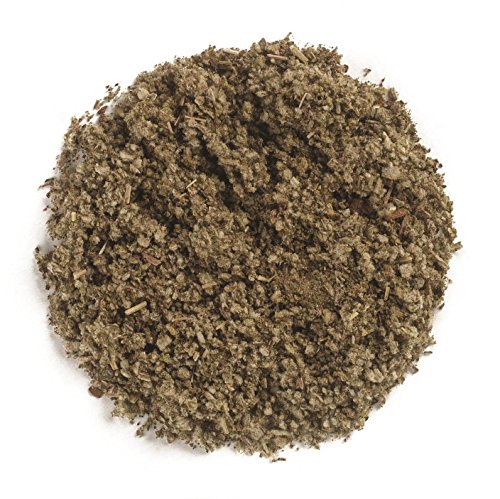
1. Sage
(Salvia officinalis)
Sage, one of St. Hildegard’s top healing herbs, is renowned for its ability to boost digestion, soothe sore muscles, and promote mental wellness. Here are St. Hildegard’s medieval remedies with sage:

St Hildegard’s Medieval Remedies with Sage
- Muscle Pain & Tendinitis – Bring 2 liters of water to a boil along with 200 grams of fresh or dried sage. Remove the pot from the heat, strain the sage leaves, and apply them as a poultice to the painful areas. St. Hildegard also recommended adding arnica leaves to the mix. Alternate applying sage and arnica poultices to the affected areas for best results.
- Incontinence – Steep sage in boiling water, strain it through a cloth, and drink the warm tea several times a day. This helps control urination and can lead to healing over time.
- Melancholy – Crush 200 g of fresh sage flowers and 100 g of fresh marshmallow flowers, then mix them with 200 ml of olive oil or 200 ml of apple cider vinegar. Allow the mixture to macerate, strain the lotion, and gently massage it onto your forehead and temples. If melancholy persists, soak a towel in the lotion and wrap it around your head, leaving it on for at least three days, re-soaking the towel in oil or vinegar as needed. St. Hildegard explains: “Mallow juice dissolves melancholy, sage dries it out, olive oil nourishes a weary head, and vinegar absorbs the acidity of melancholy.”
- Anger – When a surge of anger strikes, take a moment to smell a red rose and a sage flower. St. Hildegard notes: “Sage calms the nerves, and rose uplifts the spirit.”
- Insomnia – Macerate 50 g of fresh sage in 1 liter of red wine for 3 days. Then, massage the medicinal wine onto your neck and chest to help promote restful sleep.
- Migraine – Infuse sage leaves and place them while still hot on your head, then cover them with a cloth to create a soothing poultice for migraine relief.
- Foul Odor – If you can’t escape a foul smell, simply inhale sage through your nostrils to neutralize the odor.
2. Dill
(Anethum graveolens)
Dill, a cherished herb in St. Hildegard’s healing tradition, is known for its digestive benefits and ability to relieve bloating and discomfort. Here are St. Hildegard’s medieval remedies with dill and dill seeds:

St Hildegard’s Medieval Remedies with Dill
- Stomach and Gastric Pain – Incorporate fresh dill and nettle (choosing the tender parts of the plants) into your bread flour. Bake the bread and eat it with every meal until the pain disappears.
- Respiratory Issues – Macerate 4 pinches of nutmeg, 10 g of chamomile, 10 g of dill seeds, 4 slices of ginger, 10 g of rosemary, and 2 teaspoons of honey in one liter of red wine. Let the wine sit in the sun, stirring daily. Drink a small cup of this medicinal wine before each meal.
- Physical Fatigue – Macerate 100 g of fresh parsley, 100 g of dill plant, and 50 g of sage flowers in 1 liter of sunflower oil, for 15 days, shaking the bottle daily. In acute cases, the above recipe can be made by gently heating the plants in olive oil. Soak a cloth in the herbal oil and apply it to the painful areas.
- Heavy Nosebleeding – Combine dill seeds with fresh yarrow flowers. Gently crush them with a bottle, then apply the mixture as a poultice on the forehead, temples, and chest.

3. Plantain
(Plantago major)
Plantain, a powerful herb in St. Hildegard’s healing medicine, is celebrated for its ability to soothe inflammation, promote wound healing, and support respiratory health. Here are St. Hildegard’s medieval remedies with plantain root:

St Hildegard’s Medieval Remedies with Plantain Root
- Fractures – Once the bones are properly set, Hildegard recommends comfrey and plantain to accelerate calcification and healing. The first remedy is plantain with honey. Dig up plantain roots, wash them, crush them lightly, and mix with honey. Take one tablespoon on an empty stomach in the morning. Plantain poultices are used topically. Infuse one tablespoon of mallow and 5 tablespoons of plantain in one liter of water for 5 minutes. While still hot, remove the herbs from the liquid and place them, still damp, in a cloth. Apply to the affected area twice a day.
- Liver Problems – Macerate the heart of one organic lettuce and 50 g of plantain root in 1 liter of white or rosé wine for 8 days. Drink a small shot of this medicinal wine in the morning on an empty stomach. The treatment lasts for 8 days, during which no other alcohol should be consumed.
- Stomach and Gastric Pain – Simmer plantain root soaked in wine over low heat (a few boils), then remove from the pot, place on a cloth, and apply the compress to the stomach.
- Inflamed Lymph Nodes – Dry the plantain root on a stove or very low heat in the oven, and apply it warm to the inflamed glands.
- Insect Bites – Rub the fresh plantain root on the insect bite for relief.
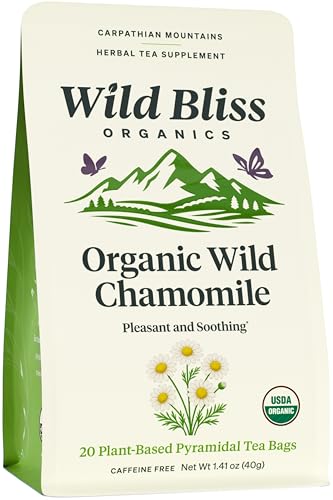
4. Chamomile
(Matricaria chamomila)
Chamomile, a key healing herb in St. Hildegard’s remedies, is renowned for its calming properties, helping to soothe digestive issues, reduce inflammation, and promote relaxation. Here are St. Hildegard’s medieval remedies with chamomile:

St Hildegard’s Medieval Remedies with Chamomile
- Colic – Extract the juice from chamomile flowers and leaves, mix it with butter, and massage the abdomen. According to Hildegard, “The pain is healed because the warmth and power of the chamomile combined with the butter disorient the pain, causing it to disappear.”
- Gout – Macerate 30 g of chamomile, 3 slices of ginger, and 2 pinches of pepper in 1 liter of white wine, in the sun for 3 days. Drink a small shot on an empty stomach.
- Cardiovascular Issues – Make an infusion with 30 g of common stork’s-bill, 20 g of chamomile, and 2 pinches of ground nutmeg in 1 liter of water. Drink 3-5 cups of tea a day.
- Insect Bites – Rub the affected area with the juice obtained from 12 chamomile flowers mixed with an equal amount of butter.
5. Hyssop
(Hyssopus officinalis)
Hyssop, a versatile medieval herb in St. Hildegard’s natural remedies, is prized for its ability to support liver health, aid digestion, and promote overall wellness. Here are St. Hildegard’s medieval remedies with hyssop:

St Hildegard’s Medieval Remedies with Hyssop
- Liver Ailments – Combine 50 g of licorice, 5 pinches of cinnamon, 200 g of hyssop, and 150 g of dill leaves in 3 liters of boiling water. Simmer over low heat for 20 minutes, then remove from heat and add 10 tablespoons of honey, stirring until dissolved. Pour into a glass container with a lid, but only strain it as needed. Drink one cup at each meal (morning, noon, and evening) for 9 days. Over time, the sweet infusion reduces, becoming more concentrated and bitter.
- Stomach and Gastric Pain – Macerate 20 g of hyssop in 1 liter of wine in the sun for 3 days. Strain and drink a small shot of this medicinal wine daily. To avoid alcohol, replace it with hyssop infusion.
No products found.
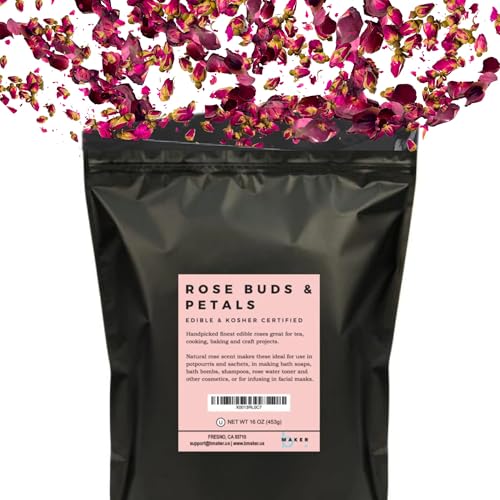
6. Rose
(Rosa damascena)
Rose, celebrated in St. Hildegard’s natural remedies, is renowned for its uplifting properties, helping to ease melancholy, calm the mind, and support skin and muscle health. Here are St. Hildegard’s medieval remedies with rose:

St Hildegard’s Medieval Remedies with Rose
- Cramps and Muscle Contractions – Prepare an infusion with 20 g of rose petals and 5 g of sage in 1/2 liter of water, letting it simmer without boiling until reduced. In a separate pot, melt 20 g of beeswax in 10 g of lard, stirring with a wooden spoon. Remove the wax from the heat and mix in 12 tablespoons of the rose and sage infusion, stirring continuously until the mixture cools and achieves a creamy consistency. Store the ointment in a jar and keep it refrigerated. This recipe, inspired by Hildegard, soothes muscle pain and cramps. For better preservation, lard can be replaced with petroleum jelly. Hildegard recommends massaging the affected area vigorously for optimal relief.
- Anger – When a surge of anger strikes, take a moment to smell a red rose and a sage flower. St. Hildegard notes: “Sage calms the nerves, and rose uplifts the spirit.”
7. Iris Root
(Iris germanica)
Iris root, also known as Orris root is a cherished remedy in St. Hildegard’s natural healing practices, highly valued for its ability to soothe urinary ailments and promote skin health. Here are St. Hildegard’s medieval remedies with iris:

St Hildegard’s Medieval Remedies with Iris Root
- Urinary Stones – Macerate a small iris rhizome in 1 liter of white wine for 8 days. Crush it, transfer it into a bottle, filter, and drink a small cup in the morning on an empty stomach. Hildegard notes: “People with difficulty urinating will notice their stones shrinking, and blocked organs will be relieved.”
- Anaphrodisiac Cocktail – Combine 50 g of dill, 100 g of mint, 110 g of lungwort, 220 g of iris root, and 220 g of garlic, (cut into small pieces). Place them in a large container and cover with 2 liters of apple cider vinegar. Use the herbs as condiments, and add one tablespoon to a cup of water at each meal to lower libido.
No products found.
8. Yarrow
(Achillea millefolium)
Among Hildegard’s medieval herbs, yarrow is the best for healing wounds (including post-surgical ones), and can be used both internally as a tea and externally as a poultice. Here are St. Hildegard’s medieval remedies with yarrow:

St Hildegard’s Medieval Remedies with Yarrow
- Eczema, Wounds, and Infections – Scald 1 tablespoon of yarrow leaves and 3 knife tips of powdered yarrow leaves in 250 ml of boiling water. Let the mixture steep for about 3 minutes, then strain the tea and drink it in small sips.
- Severe Infected Wounds – Boil 1 tablespoon of yarrow leaves in a cup of water for 3 minutes, then place the moist leaves on the wound over a bandage. Replace the poultice as soon as the bandage dries. Once the wound starts to heal, yarrow leaves can be applied directly to the wound and secured with the bandage. This method is effective even against antibiotic-resistant germs, promoting healing of the most severe infected wounds.
No products found.
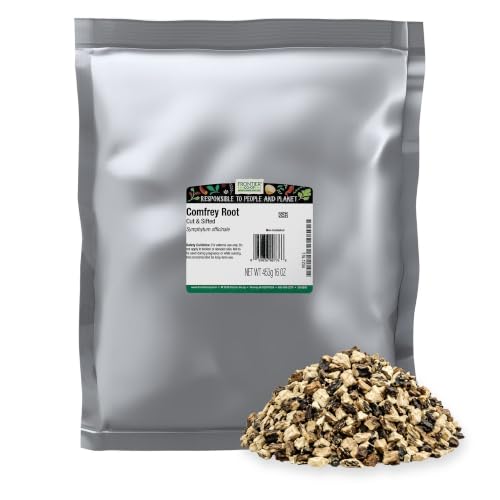
9. Comfrey Root
(Symphytum officinalis)
Comfrey root, a powerful herb in St. Hildegard’s medieval healing herbs, is renowned for its ability to promote tissue regeneration, ease joint pain, and accelerate the healing of wounds and fractures.

St Hildegard’s Medieval Remedies with Comfrey Root
- Fractures. Once the bones are set, to accelerate calcification and healing, Hildegard recommends two plants: comfrey and plantain. Mix comfrey root with water to make a poultice, apply it on a cloth, and place it on the affected areas. Equally effective is the comfrey root salve, prepared by mixing a heaping tablespoon of grated comfrey root with pork lard. Rub the affected areas with the ointment. Alternatively, apply comfey root poultices made by sautéing comfrey root in goose fat. Apply the poultices to the affected area and cover with a clean cloth.
Other Medieval Healing Herbs from St Hildegard
- Lungwort (Pulmonaria officinalis) – St. Hildegard said, “Those who suffer from lung issues should avoid fatty meats and foods that contain a lot of blood, as well as fermented cheeses because all of these cause pus in the lungs. They should also avoid cold and cloudy weather.” To treat lung inflammations, steep 10 g of lungwort in half a liter of boiling water for 5 minutes and strain. Drink it at least 7 days, after each meal. Healing is quick.
- Horehound (Marrubium peregrinum) – Steep 50 g of the plant in 1 liter of water. Drink two cups a day to relieve angina and sore throat.
- Basil (Basilicum officinalis) – For stuttering, place a basil leaf under the tongue. Hildegard recommends this remedy when the tongue is paralyzed due to fear, nervousness, or similar conditions.
- Yellow Sweet Clover (Melilotus officinalis) – Fill a bottle halfway with dried yellow sweet clover flowers, then pour cold-pressed olive oil over them and let it macerate for 15 days. Apply this oil to areas affected by rheumatism and varicose veins to improve blood circulation.
- Linden bark (Tilia sp) – Boil 40 grams of linden bark in a liter of water until it reduces to a quarter of the initial amount. Drink 750 ml of the decoction throughout the day. Take a 10-day break, then repeat with the same amount of tea. Three courses of this treatment per year can help prevent relapses. This recipe is effective for kidney stones, urinary tract infections, gallbladder issues, and rheumatic flare-ups.
- Parsley (Petroselinum crispum) – Boil 40 g of linden bark in 1 liter of water and let it reduce to a quarter of its original volume. Drink 750 ml of the decoction in one day. Take a 10-day break, then repeat the same amount of tea. Three courses of this decoction per year help prevent recurrences. This remedy is effective for kidney stones, urinary infections, gallbladder issues, and rheumatic attacks.
- Common Ivy (Hedera helix) – Place a handful of young ivy leaves in 2 liters of water, add 100 ml of olive oil, and bring the mixture to a boil. Lower the heat and let it simmer for 5 minutes. Apply the hot ivy leaves (ensuring they are not too hot) directly to the chest, covering them with a thick cloth soaked in the water the ivy was boiled in. This remedy is recommended for jaundice and painful menstruation. Additionally, for jaundice, St. Hildegard suggests drinking a small glass of cold watercress juice three times a day.
Read Also: St Hildegard’s 10 Magical Remedies for Heartache
St. Hildegard’s knowledge of herbal medicine continues to inspire natural health enthusiasts worldwide. By incorporating these medieval healing herbs into your routine, you can harness their benefits and connect with centuries-old wisdom. Ready to embrace natural healing? If you’ve enjoyed this article, please share it with others who value holistic health!
Share on Pinterest ❤️