Looking for home remedies with sheep wool? Discover the fantastic health benefits of sheep wool and how to use it for healing.
Sheep wool is widely used in the textile and clothing industry, but did you know it also has incredible therapeutic properties? Traditional healers, especially in Northern Europe, have long harnessed the natural healing power of wool for pain relief and inflammation reduction. Let’s explore some effective home remedies with sheep wool, but first, let’s understand its health benefits.

In This Article You Will Find:
Health Benefits of Sheep Wool
Sheep wool has been used in traditional therapies for thousands of years due to its ability to trap and retain air, absorb moisture, and regulate temperature. It also resists impurities, repels dust, and reduces electrostatic tension. But most importantly, it is known for its pain-relieving and anti-inflammatory properties. Scientists attribute wool’s healing properties to five key factors:
- Lanolin – This natural compound found in sheep wool is a key ingredient in anti-allergic and anti-inflammatory medications. It enhances skin receptors and accelerates recovery processes, alleviating pain and discomfort.
- Electrostatic Field – Wearing wool garments creates an electrostatic field that positively affects the human body, promoting healing.
- Warming Effect – Wool’s porous structure contains numerous air pockets, providing excellent thermal insulation. This warmth improves blood circulation, benefiting internal organs and relieving various health conditions.
- Moisture Absorption – Wool absorbs over 30% of moisture while remaining dry, unlike cotton (8%) or synthetic materials (0%). This property helps keep the skin dry and comfortable.
- Protection Against Radiation – Recent studies show that wool shields against electromagnetic radiation from computers and household appliances. Additionally, wool fibers create a micro-massage effect, enhancing blood circulation and mimicking reflexology and acupuncture benefits.

5 Home Remedies with Sheep Wool
Sheep wool can be used to make simple compresses or infused with herbal and salt solutions to treat various ailments, including lower back pain, colds, sinus infections, headaches, kidney and liver conditions, and migraines. Here are five effective home remedies with sheep wool.
1. Arthritis, Myositis, Rheumatic Pain, and Colds
A well-known Russian remedy uses sheep wool compresses soaked in therapeutic herbal infusions for these types of pain.
- Prepare an infusion by steeping two tablespoons each of rosehips, birch leaves, and knotweed in one liter of boiling water for 30 minutes.
- Strain the mixture and drink half of it throughout the day instead of water or tea.
- Add a tablespoon of coarse salt and the juice of one medium lemon to the remaining infusion.
- Soak a piece of natural sheep wool fabric in the infusion for 30 minutes, wring it out, and apply it over the affected area.
- Cover it with a cotton cloth, plastic wrap, and a towel, securing it overnight.
- The wool should be rinsed in warm water and dried after each use.
As a rule, damp sheep wool compresses are applied to the belly and back, while dry wool—after being well soaked in herbal tea—is applied to the forehead and joints.

2. Finger and Foot Pain Relief
Knit or crochet a bracelet from unprocessed wool and soak it in the same herbal solution as above. Once dry, wear it throughout the day. Alternatively, wrap your wrist 3-5 times with a twisted wool thread or wear gloves and socks soaked in herbal tea blends depending on your diagnosis.
3. Migraines, Lower Back Pain, and Sprains
Wrap your head, sprained foot, or lower back with a wool scarf or band. Dissolve two tablespoons of coarse salt in one liter of water and soak the wool before use. Apply the wool damp or dry to the affected area for pain relief.
4. Thyroid Conditions
Coat a bundle of sheep wool with iodized salt, wrap it in gauze, and apply it to the throat before bedtime. Replace the compress every evening for a week, take a five-day break, then repeat the process.
5. Chronic Fatigue
Sleep on a wool-stuffed pillow for enhanced relaxation. Walk barefoot on a wool carpet for one to two hours before bedtime to reduce stress and fatigue. Usually, fatigue goes away slowly.
What About Goat’s Wool?
Goat wool is coarser than sheep wool, so only the soft undercoat is used therapeutically. Rich in 20 amino acids, goat’s wool is beneficial for varicose veins and tonsillitis. Traditional wisdom suggests that rough wool garments have a reflexology effect on the nervous system, making them excellent for those suffering from vegetative-vascular dystonia. Goat wool pillows are also used to relieve kidney and liver ailments. Swap your synthetic polyester pullovers for cashmere wool ones to support your healing.
Replacing Synthetic Fabrics with Wool
Switching from synthetic to woolen bedding, clothing, and household items can significantly improve your overall health. Wool blankets, camel hair or alpaca covers, and wool carpets support better well-being, especially for those suffering from kidney or liver issues. Even the process of knitting wool has therapeutic effects, helping women manage stress and depression.
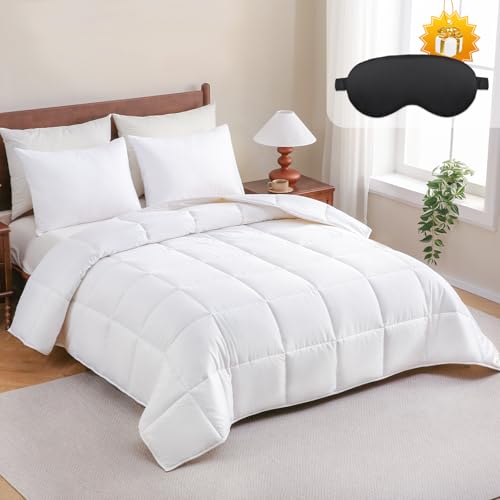
- Wool Bedding: Traditional wool blankets and covers have been replaced in time by synthetic fabrics, which can be harmful to health. Today, more people are returning to woolen bedding for improved oxygenation and body warmth. Sheep wool is especially recommended for people suffering from vegetative dystonia, specifically: wool bedding, a camel hair blanket, a sheep wool pillow, and walking barefoot on a woolen carpet.
- Wool Accessories: Wearing a pure wool scarf and gloves can prevent colds, sore throats, and sinus infections. Did you know? In past centuries, peasants in Bessarabia treated tuberculosis by drinking the water left after washing freshly shorn wool.
Even Russian Tsar Peter I relied on wool socks and felt boots after indulgent nights, a habit scientifically proven to improve circulation and lower blood pressure. The thicker the wool fabric or knit, the higher its vibration and greater its energetic effect.
Sheep Wool Safety & Contraindications
While sheep wool is generally safe, individuals with asthma should use it cautiously, as it may trigger breathing difficulties. Those who have sheep wool allergies should also avoid direct contact.
Read Also: 5 Amazing Health Benefits of Leech Therapy
By incorporating sheep wool into daily life, you can enjoy its natural pain-relieving and anti-inflammatory benefits while staying warm and comfortable. Swap synthetic fibers for sheep or goat wool, such as merinos and cashmere. The health benefits of sheep wool are amazing and only scratch the surface of the healing power of natural fibers. Stay healthy, naturally!
Share on Pinterest ❤️