Want to learn about the health uses of oregano oil, oregano oil remedies, and how to use it exactly? Read more.
Packed with potent compounds like carvacrol and thymol, oregano oil has gained popularity for its impressive health benefits. In this comprehensive guide, we’ll explore six remarkable health uses of oregano oil and provide practical tips for safe and effective home use. There’s a lot of misinformation regarding essential oils, including oregano essential oil, but we’re bringing the full truth to you in this article. Let’s get to it.

In This Article You Will Find:
What Is Oregano?
Oregano (Origanum vulgare) is a medicinal plant renowned for its exceptional therapeutic properties. It grows naturally in sunny areas, particularly at the foothills of the Carpathians and in southern Europe, regions where the concentration of active principles is at its highest. Considered one of the most potent natural antibiotics and antivirals, oregano is also highly effective against pathogenic fungi and intestinal parasites, provided it is used in a sufficiently concentrated form.
The name “oregano” originates from Greek, derived from the words oros (mountain) and ganos (joy), which translates to “joy of the mountains.”
In traditional European medicine, oregano tea was valued for alleviating abdominal pain, indigestion, and respiratory ailments such as bronchitis and lung problems. Additionally, oregano baths, particularly in hilly and mountainous regions, were and still are used to treat cystitis and kidney infections. However, the true therapeutic value of oregano has been confirmed with the development of modern extraction techniques, namely oregano oil, which has revealed its remarkable therapeutic properties.

What Is Oregano Oil?
Oregano oil is one of the most potent natural antibiotic oils in the world, due to its high content of carvacol and thymol, two natural compounds with powerful vermifuge with antibiotic, and anti-inflammatory effects. The term oregano oil is a generic term that can refer to oregano-infused oil, oregano essential oil, or supercritical CO₂ oregano leaf extract.
- Oregano-infused oil is made by soaking dried or fresh oregano plant in olive oil; it is a mild extraction yet can have a wide array of health benefits, and is not too strong for the digestive tract to handle. It can be safely used internally or topically.
- Oregano essential oil is produced through steam distillation of the flowering oregano plant. This oil is known for its intense aroma and its ability to penetrate mucous membranes and skin effectively; however, it is too harsh on the digestive tract and nerves, which is why we do not recommend taking it internally.
- Supercritical CO₂ oregano leaf extraction is made using supercritical carbon dioxide, a process that uses CO₂ at high pressure and temperature to act as a solvent to extract both volatile and non-volatile oils from the oregano leaf. This method extracts a broader range of compounds, including non-volatile ones that steam distillation might miss. This is the type of oregano oil that we recommend for internal use.

The Truth about Essential Oils, Including Oregano Essential Oil
According to best-selling medical author and intuitive healer Medical Medium, essential oils should never be used internally as they are a vagus nerve jolter and disruptor. The vagus nerve is like its own living creature, it can be moved if it’s trying to save its skin. It can literally spam itself out of place if it’s trying to run from something like EOs going down into the digestive tract.
Nerve cells on the vagus nerve can’t handle strong aromatic oils that are cold-pressed or distilled. It’s a shocker to the nerves. It’s a toxin and poison to the nerve cells. Using EOs internally can bring someone’s anxiety condition to a dangerous level. Second, it’s an irritant to the intestinal lining! But there are alternatives to oregano essential oil for internal use.
What to Use Instead of Oregano Essential Oil?
One alternative to oregano essential oil for internal use is olive oil infused with dried oregano, which anyone can make at home by soaking dried oregano plant in a good quality olive oil. For this, you need 1 cup extra virgin olive oil, 3-4 tbsp dried oregano (or ~1/2 cup fresh oregano).
- Put the plant in a sterile glass jar and pour the olive oil on top until fully submerged.
- Seal the jar and let it sit in a cool, dark place for 1-2 weeks.
- Shake gently every day to mix.
- After infusing, strain the oil through a fine mesh sieve or cheesecloth into a clean bottle.
- Keep in a cool, dark cupboard or the refrigerator and use within 1–2 months.
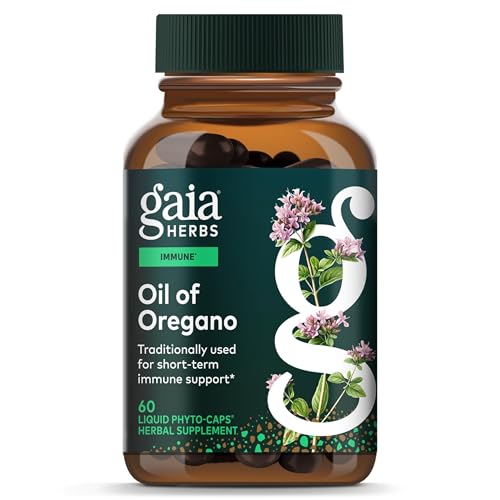
Another alternative is using supercritical CO₂ oregano leaf extract, which is a more potent extraction for therapeutic use. A good brand that we recommend for internal use that you can buy is the one from Gaia Herbs. When we refer in this article to taking oregano oil internally, we refer to the supercritical CO₂ extract, not the steam-distilled oregano essential oils!
The Danger of Mold Contamination in Using Essential Oils
According to Medical Medium, oregano essential oil, and pretty much any essential oil, due to being an oil, gets on everything and doesn’t ever come out. The antibacterial compound disappears, but the oil sticks around, and the dust, dirt, and sand from the house get trapped in the oil residue from using essential oils on the skin or in the house. The walls, sofas, beddings, sheets, pillows, etc, all get contaminated, as this residue builds up in time because EOs never evaporate!
When exposed to the air and not in the bottle, essential oils can get moldy, and that’s when the mold problem begins.
Even if you don’t have mold inside the house, if mold comes in and contaminates your house, you’re more likely going to have a mold problem from years of using essential oils. Oil attracts dampness; it makes everything wet, and then mold gets trapped in the oil residues and is nearly impossible to get rid of. Here is how to use essential oils to prevent mold contamination:
- Wipe down excess oil off of your skin when using essential oils topically (don’t ever go to bed smothered in oils or body lotions with added essential oils!!! – look for body lotions that absorb into the skin and do not just become a greasy slick on your skin.) Shower right away after a massage with a carrier oil and added essential oil, and when using essential oils on your wrist or neck, after applying, wipe down excess oil.
- Diffuse essential oils in a diffuser only for acute health problems, or for things like cleaning air if you believe air to be contaminated with germs (having sick people in the house). Do not use oil diffusers 24/7, as they can do more harm than good, as they gather mold quickly.
- Don’t swallow toothpaste, as most toothpaste on the market has EOs in it.
- Don’t use EOs in your homemade washing detergent, or add to the washing machine as your washing machine gets moldy quicker; instead, use vinegar instead of fabric conditioner, or as a rinse.
- Don’t use cleaning products containing EOs for cleaning countertops, sinks, and toilets. Most cleaning product producers use synthesized essential oils, not whole essential oils, as otherwise they would go broke.
- Use essential oils only when in dire need, especially when confronted with chronic illness!
We do not recommend buying from MLM-type companies that push the overuse of essential oils, as they are in for the profits, and not to help people.
6 Health Uses of Oregano Oil
- UTIs – Oregano oil is known for treating and preventing the recurrence of kidney Infections and cystitis, as well as for the entire range of UTIs (nephritis, pyelonephritis, etc.), as it is effective against e.Coli. It can be used internally as well as topically (for acute urinary tract infections). In which case, add 3-5 drops to hot sitz baths and wash down. Wipe very well after bathing with a clean cotton towel, so no oil remains on your skin.
- Antibiotic-Resistant Bacteria – Carvacrol and thymol, two major components in oregano oil, disrupt bacterial membranes, making it harder for bacteria to survive or develop resistance. Studies have found oregano oil to be effective against MRSA (Methicillin-resistant Staphylococcus aureus), Pseudomonas aeruginosa, Escherichia coli, and even drug-resistant strains of Candida. Oregano extracts may also enhance the effectiveness of antibiotics when used in combination, sometimes by breaking down bacterial biofilms that protect resistant strains. It can be used internally for at least 2 weeks. Topically, oregano oil is applied against infections caused by a wide range of bacteria that produce abscesses, inflammation, acne, etc.
- Bronchitis and Pneumonia – Oregano oil is recommended against infections with E. coli, Clostridium difficile, and the tuberculosis bacillus. It is even more powerful when combined with clove and eucalyptus tea when taken internally. Oregano oil destroys most bacteria that affect the respiratory system; cloves have a strong antiviral effect, while eucalyptus, which is milder, helps thin bronchial secretions, soothes coughing fits, and reduces inflammation in the respiratory tract. This remedy can also be used against pulmonary tuberculosis or other forms of the disease, after consulting a medical doctor. In such cases, 12-day courses should be followed by 5-day breaks, after which administration can resume until full recovery.
- Cold and Flu – Oregano oil has an antiviral effect, blocking the replication of the flu virus and preventing the progression of a cold or flu. It also has an antibiotic effect, which helps avoid complications of the flu with a bacterial superinfection and the progression toward bronchitis or pneumonia. It can be taken internally or used externally in steam inhalations.
- Fungal Infections – Oregano oil is a very powerful antifungal, with medium-duration treatments, both internal and external, often yielding very good results. For athlete’s foot (Tinea pedis), combine 5 teaspoons of sunflower oil with 1 teaspoon of oregano-infused oil. Apply topically by dripping or using a brush onto the affected – twice per day. After healing, disinfect your shoes and socks to prevent recurrence. For nail fungus, combine 1 teaspoon of oregano-infused oil with 2-3 drops of tea tree essential oil and two teaspoons of sunflower oil. Apply twice a day, in the morning and evening, onto the nail. For scalp ringworm (Tinea capitis), combine 1 teaspoon of oregano-infused oil with 10 tablespoons of argan or almond oil, and use to massage the scalp once every two days for a week. This remedy is strongly antimicrobial, stimulates blood circulation in the scalp, promotes normal immune response, and helps eliminate pathogenic fungi.
- Intestinal Parasites – Oregano oil taken internally is a great remedy for intestinal parasites, whether we’re talking about worms or even giardia.
Oregano Oil and Medical Drug Interference
An unusual feature of oregano oil is that it does not interfere with the therapeutic action of medical drugs (it sometimes even enhances their effects), but reduces their side effects.
- For example, when used with antibiotics, internal administration of this oil prevents the proliferation of candidiasis, a common issue for those taking antibiotics.
- With certain chemotherapy drugs, such as methotrexate, used for cancer and rheumatic diseases, the oil reduces appetite loss, digestive disturbances, and immune disorders.
- When taking synthetic iron supplements, wild oregano helps reduce nausea, vomiting, and alternating constipation and diarrhea.
However, always consult your healthcare provider before using oregano oil, especially if you’re taking prescription medications. Start with small doses and monitor for any side effects. Be cautious if you’re pregnant, breastfeeding, or have pre-existing conditions (like liver disease or bleeding disorders).
Read Also: 10 Best Antibiotic Herbs for Infections of All Sorts
Now you know the key health uses of oregano oil for your health and home, and how to use it properly. Oregano is a very powerful herb, so use it wisely and with caution. Let us know what your experience with oregano oil is in the comment section below. Stay healthy, naturally!
Share on Pinterest ❤️