Looking for the best natural sources of B12? Stick around and find out what B12 does, its role, and how is produced in the body.
Many people today are deficient in vitamin B12, even if blood tests show normal levels. The reason is that blood B12 is not necessarily the kind of B12 that our body needs. According to best-selling author Anthony Williams, the B12 that we need is a combination of methylcobalamin and adenosylcobalamin, which may not be properly absorbed from the foods that are believed to be high in B12. Before we go to show you the best natural sources of B12, here is some crucial information about B12 from Anthony Williams’ books.

In This Article You Will Find:
What Is B12?
B12 is a vital vitamin because it acts as a protection barrier against environmental aggressors we are up against, namely pathogens, toxic heavy metals, radiation, and DDT. Without B12 we die. Here are the most important actions of B12 in the body, according to Anthony Williams:
- Protects Against Pathogens: B12 (adenosylcobalamin + methylcobalamin) shields the body from neurotoxin damage caused by viruses like Epstein-Barr and shingles.
- Protects Against Toxins: Pesticides, herbicides, toxic heavy metals, petrochemical byproducts, plastics, old pharmaceuticals, air fresheners, perfume, and scented candles; and health symptoms and conditions caused by toxic heavy metals and pathogens.
- Supports the Nervous & Endocrine Systems: Aids in repairing and strengthening neurotransmitters, helping the brain resist pathogens, and restoring nerves.
- Essential for Most All Conditions: Plays a crucial role in managing acne, SIBO, eczema, depression, anxiety, thyroid issues, neurological symptoms, brain fog, rheumatoid arthritis, and more.
- Aids Methylation & Reduces Inflammation: Helps with methylation issues, lowers homocysteine levels, and protects nerves.
- Supports Liver Function: Assists in the liver’s 2,000+ chemical functions, enhances vitamin and mineral utilization, prevents stagnation, and strengthens the liver.
- Emotional Hardship: Supports emotional well-being, particularly during challenges like betrayal, broken trust, emotional stress, and mental abuse.
Does The Body Produce B12?
Yes! Contrary to popular belief, the natural B12 that we need to survive is produced in the ileum part of the intestinal tract, when we provide the body with elevated biotics. These elevated biotics are tiny undiscovered microorganisms that sit atop the organic produce (freshly picked fruit, leafy greens, and veggies) and are more powerful than soil microorganisms and quite different. They survive the digestive process and make it to the ileum, where they excrete the co-enzyme B12, in its purest form, directing it through the hepatic portal system into the liver.

How to Know I’m B12 Deficient?
One of the main reasons you may have a B12 deficiency is the lack of elevated biotics in your diet. The second most common reason is due to a stagnant, sluggish, and overburdened liver, which can be inherited or developed over time (high fat, high protein diets, and toxicity).
If you are on a high-protein, high-fat diet and eat little to no (freshly picked) leafy greens, veggies, and ripe fruit, you’re most likely B12 deficient. If you also live in a polluted urban area or work in a toxic environment, the chances are that you don’t have enough B12 in your system to protect you.
B12 deficiency can severely impact the central nervous system, liver, and other organs, leading to various health issues, because it’s essential for thousands of daily bodily functions. The telltale signs you may be B12 deficient is one or more of the following symptoms and conditions:
- brain fog
- fatigue
- anxiety
- depression
- insomnia
- dizziness
- numbness
- memory problems
- mood swings
- vision problems
- digestive issues
- nervous system disturbances
- nerve damage
- painful joints
- rashes
- weakened immune system
- overburdened liver
- heart problems
Are Vegans B12 Deficient?
We’re frequently told that we get our B12 from foods like meat, chicken, lamb, turkey, milk, eggs, cheese, pork, butter, salmon, crab, shrimp, clams, and oysters. While it’s true that these foods provide B12, the reality is that it’s not the same B12 that our body can fully utilize, the one produced in the ileum. It’s the same as synthetic ascorbic acid and bioavailable vitamin C. They may have the same chemical formula but are not the same way assimilated or utilized by the body.
All animals create their own B12, every species on the planet creates their own specific form of B12 for their needs, but our bodies don’t utilize animal sources of B12.
Does this mean that vegans are B12 deficient? Yes and no, depending on how much fresh organic produce one eats. This is what draws the line, actually. Both can be highly B12 deficient if they don’t provide the body with much-needed natural sources of B12 that the body can actually utilize. Now let’s look into the best natural sources of B12.

10 Best Natural Sources of B12
Consuming more elevated biotics in living foods is a great way to support your body in producing its natural B12. These elevated biotics are microorganisms that live on the leaves and skins of organic produce in their growing state. Eat organic produce that you pick yourself and put directly into your mouth unwashed (or very lightly washed). You can eat these foods raw, juiced, or in smoothies with no added fats of any kind. The best sources of elevated biotics are the following organic foods and/or unpolluted areas:
- Raw leafy greens (spinach, parsley, kale, lettuce, etc.)
- Fresh garden herbs (parsley, lemon balm, thyme, oregano, basil, tarragon, peppermint, sage, rosemary, etc.)
- Ripe fruits (bananas, apricots, figs, apples, pears, berries)
- Vegetables (artichoke, sweet potatoes, onions, celery, asparagus, cucumbers, tomatoes, ginger, etc.)
- Aloe vera – one of the few plants that contain B12!
- Raw honey
- Sprouts and microgreens (gluten-free)
- Wild edible herbs (dandelion, nettle, chickweed, lamb’s quarters, purslane, plantain, wild mustard, wood sorrel, clover, red clover, mallow, comfrey, wild spinach, sea purslane, cattail, etc.).
- Wild berries (wild strawberries, blueberries, mulberries, blackberries, cranberries, etc.)
- Wild mushrooms that can be eaten raw (porcini (Boletus edulis), chanterelles (Cantharellus spp.), caesar’s mushroom (Amanita cesarean), lobster mushroom (Hypomyces lactifluorum), truffles (Tuber spp.)) – double-check identification!!!
The elevated biotics on organic produce also help to repopulate your intestinal tract with good bacteria. If you don’t have access to an organic farm that you trust to pick and eat fruits, veggies, or leafy greens, go foraging in unpolluted areas. It is also important to reduce all dietary fats (good or bad) to a minimum, to prevent the body from diminishing the B12 reserves it already has.

Foods and Supplements to Avoid
Avoid eggs, soy, gluten, corn, and dairy products, as they can feed viruses and bacteria, worsening many intestinal conditions. Stay away from canola oil, which damages the gut lining and aggravates intestinal issues. It’s also crucial to avoid diatomaceous earth internally, as it can be extremely harsh on the intestinal tract.
Products like factory-made probiotics, kefir, kombucha tea, sauerkraut, and soil-borne microorganisms are not able to survive the digestive process and make it to the ileum, hence they are not a good source of B12.
What Is a Good B12 Supplement?
A good B12 supplement contains BOTH methylcobalamin and adenosylcobalamin and nothing else. Methylcobalamin supports the eyes, ears, hearing, heart, nervous system, and adrenal glands, while adenosylcobalamin benefits the central nervous system, spleen, pancreas, liver, and endocrine system. When taken at the right dose, B12 can support recovery and initiate the healing process the body needs.
Avoid B12 injections as they lack the proper B12 blend and may cause an overreaction in sensitive individuals!
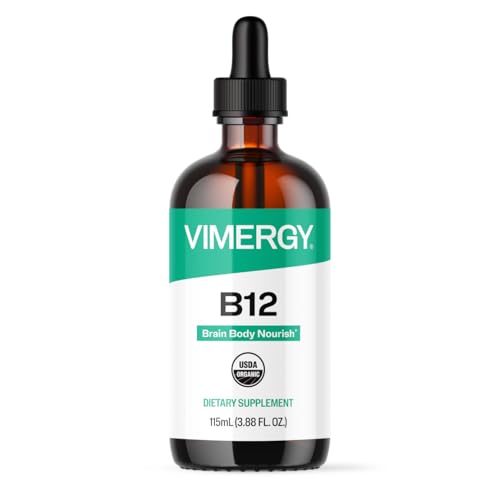
We recommend the liquid B12 from Vimergy. For maintenance and everyday life, the recommended dosage of B12 is one dropperful daily. For the exact dosage depending on your specific health problem, we recommend consulting Anthony Williams’ “Cleanse to Heal” book.
Read Also: 5 Highest Natural Sources of Vitamin C
Ensuring an adequate amount of vitamin B12 is crucial for maintaining optimal health, and now you know the truth about B12, how it’s made in the body, and what foods contribute to the production of B12 in the ileum. If you’ve enjoyed this information that comes from Anthony Williams, please share so more people can use it. Stay healthy, naturally!
Share on Pinterest ❤️