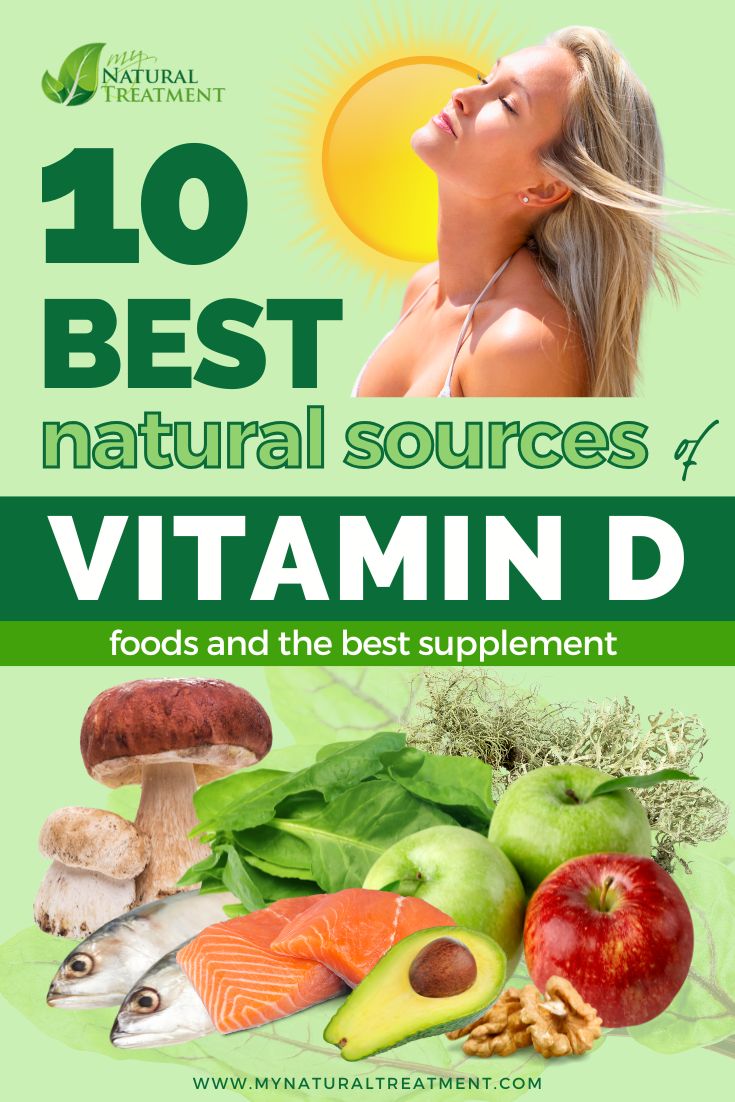
Looking for the best natural sources of vitamin D? Here are the top vitamin D foods and other supplements worth taking into account. But first.
One of the top natural sources of Vitamin D is sunlight, but during the autumn and winter months, when the sun is too weak to help synthesize Vitamin D, the next best thing to do is go for Vitamin D foods, or natural sources of Vitamin D, as dietary supplements.

In This Article You Will Find:
What Is Vitamin D?
Vitamin D is a steroid hormone produced in the skin as a result of direct sun exposure (without sunscreen), but it is also assimilated through the walls of the intestine from food. In winter, when the sun is not always visible in the sky, it is necessary to fill your plate with natural sources of vitamin D or natural vitamin D supplements.

The Health Benefits of Vitamin D
Vitamin D’s key role is the assimilation of calcium from food into the bones and teeth. When vitamin D is too low, the assimilation of calcium in the intestine is limited, and the body “gets” calcium from the bones, which eventually become brittle. This can lead to bone deformities, also known as rickets in children, and increase the risk of osteoporosis and bone fracture in the elderly.
Vitamin D is needed to help the body produce sex hormones which in turn support ovulation and hormonal balance. Together with vitamin A, supports respiration at a cellular level. But there are many other very important roles that vitamin D plays in the body.
- healthy bones
- strong teeth
- calcium & phosphorus metabolism
- balance stomach acids
- strong nervous system
- positive emotions
- support muscle activity
- strong heart
- boosted immune system
- supports the circulatory system
- supports lead elimination from the body
- osteoporosis prevention
Right now, vitamin D is widely regarded as an essential supplement by both the medical community and the general public. However, it’s surprising to learn that vitamin D is not actually one of the basic supplements required for survival or preventing disease. While supplementing with vitamin D can indeed support your health, the belief that it’s among the most crucial supplements is often overstated.
Vitamin D for Immunity
Vitamin D is also important for the immune system because it plays an important role in the development of white blood cells and T lymphocytes, which are a principal defense against uncontrolled inflammation, and against viral infection in general. It also ensures the production of interferons (substances that neutralize viruses and have good results in skin cancer treatment, etc.). Some studies have shown that the inflammatory response is higher in people who are deficient in vitamin D, for whom the chance of having severe disease after viral infection is also greater.
Vitamin D Deficiency Symptoms
- myopia
- tooth loss
- dental abscesses
- lack of muscle strength
- swallowed knees, ankles, and hand joints
- agitation and irritability
- nervous system disorders
- sleep disorders
- pessimism
- stress
- depression and anxiety
10 Best Natural Sources of Vitamin D
Amongst the best natural sources of vitamin D, first and foremost we need to mention sunlight. Yes, sunlight helps heal wounds and ulcers that have been exposed to the sun. But primarily, when sunlight hits the skin, we start to produce enough Vitamin D to boost the immune system against viruses and bacteria.
Did you know that certain diseases are more common in regions of the world where there is less sun, ie in the countries near the North Pole and the South Pole? Populations living in higher latitudes of the northern hemisphere have more cases of diabetes, rheumatoid arthritis, osteoporosis, multiple sclerosis, breast and prostate cancer, fractures, and psoriasis, than those living closer to the equator.

10 Most Important Natural Sources of Vitamin D
- Cholecalciferol-rich lichens
- Small ocean fish (sardines, anchovies, mackerel)
- Wild salmon (use occasionally to avoid mercury contamination)
- Apples
- Nuts
- Avocado
- Wild Mushrooms (porcini)
- Spinach
- Cabbage
- Whole grains (gluten-free)
The Vitamin D Supplement We Recommend
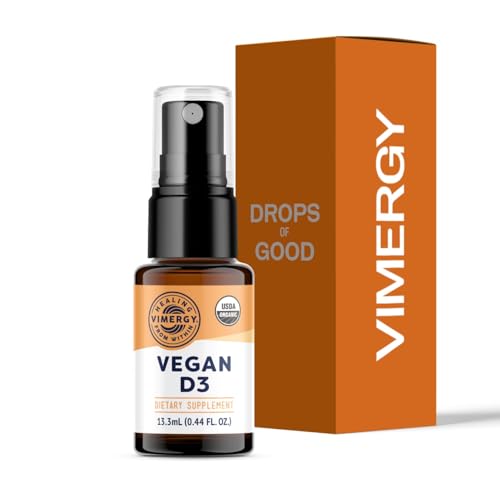
If you go out in the sun for 20 minutes a day or allow the natural light of day to come in contact with a large part of the surface of your skin, you require only half to two-thirds of Vitamin D supplementation. Always go for natural sources of Vitamin D and natural supplements of Vitamin D from plant source, and not fish, as most fish, especially fatty fish are laced with mercury and other toxic heavy metals from polluted oceans. Instead, opt for a clean natural Vitamin D3 from cholecalciferol-rich lichens like the one from Vimergy.
How to Sunbathe for Vitamin
The necessary amount of sun exposure to produce vitamin D is 1/4 of the time it usually takes you before you get a slight redness of the skin. That may be anywhere from 5 to 15 minutes a day. Doing this 2-3 times a week between 11:00 to 3:00 p.m. is enough to fill up your vitamin D needs. For instance, if your skin becomes slightly red after 30 minutes in the sun, then 10 minutes, 2-3 times a week, will be enough. People with brown skin need more sunbathing than people with white skin to fill their Vitamin D needs.

Do not use any conventional sunscreen during this time, because these products block the production of vitamin D and can even cause skin cancer.
According to research in the book “China Study“, animal proteins we consume (meat, dairy, eggs, etc.) create an acidic environment in the blood, which blocks the activity of vitamin D therefore, during sunbathing, following a lighter diet, rich in vegetables, olives, rice, and a small wild fish occasionally (large oceanic fish are contaminated with mercury), fresh fruit and vegetable juices and magnesium and selenium supplements.
Proper and prudent exposure to the sun has many advantages besides vitamin D production. It strengthens the immune system, improves the mobility of swollen joints, alleviates facial paresis, soothes conditions of the uterus and its appendages, and makes us happy. Being happy is one of the best prevention from any viral conditions.
Read Also: 15+ Quick Home Remedies for Sunburn
We sure hope that you found just enough natural sources of Vitamin D here to help you out. Remember that the lighter you eat, the better you feel, so don’t overlook the vegetal natural sources of Vitamin D, and most importantly, enjoy the sunshine. Stay healthy, naturally!
Share on Pinterest ❤️